
Archimed Buys Majority of Brazil's Genetica to Take Its Wastewater Biotech to the U.S.
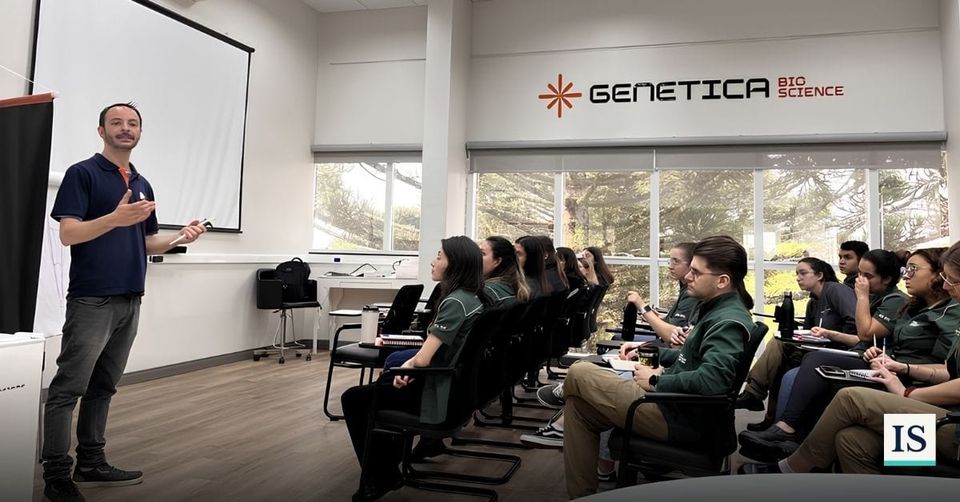
Archimed, a French private equity firm that invests in healthcare and life sciences, has acquired a majority stake in Genetica Bioscience, a biotech company based in Chapecó, in Brazil's Santa Catarina state. The deal, announced on October 14, 2026, is Archimed's first investment in Latin America and was made through its MED III fund. Brazilian impact investor Rise Investments took a minority stake. The transaction was fully secondary, meaning the money went to selling shareholders and not into the company. Price and stake size were not disclosed. The process took about two years, with RFA Capital and Demarest Advogados advising Genetica.
Genetica produces bacteria, yeasts and fungi that clean wastewater from large industrial plants, removing organic matter, fats and oils that chemical treatments leave behind. Clients include meatpackers and food companies BRF, JBS, Minerva and Vigor. The company analyzes water from each client's plant and designs a custom dosing "recipe," cutting treatment times that used to exceed a month by several weeks. Co-founders Ivan Sganderla, the CEO, Anderson Cácio Bernardi and Reginaldo Sganderla remain partners and will keep running the business. Genetica expects revenue of about R$100 million in 2026.
Market Context
Industrial customers are shifting from chemical to biological treatment as environmental rules tighten and companies look for cheaper, cleaner processes. Genetica plans to expand across Brazil over the next 12 months, since most of its business is still in the South, before moving into the United States and then Europe. In the U.S., it will focus on effluent treatment. In Europe, it will target biogas made from organic waste at treatment plants, a market boosted by efforts to reduce dependence on Russian gas.
The deal stands out against a recent setback in the same sector. Superbac, a Brazilian rival backed by Temasek and an XP private equity fund, attempted a SPAC listing and filed for an out-of-court restructuring in 2024. Bernardi told Brazil Journal that Superbac struggled after moving from sanitation into agribusiness and relying only on selling products. Genetica pairs its products with on-site consultants who help clients apply them.
The Number
10x How much larger contract sizes are in the U.S. than in Brazil, according to co-founder Anderson Cácio Bernardi, who says the U.S. market is also twice as large by number of treatment plants.
Regional Relevance
For the United States, the deal points to a Brazilian competitor preparing to enter the industrial wastewater market with a model already tested at some of the world's largest meatpackers. JBS, one of Genetica's clients, has major U.S. operations. A foreign supplier offering biological treatment could increase competition in a sector where U.S. plants face rising compliance costs and pressure to cut chemical use.
For Brazil, the deal is a vote of confidence in an industrial biotech built far from São Paulo, in a western Santa Catarina city known for its meat and poultry industry. It shows a company that grew without venture capital attracting a global buyer on its own terms. According to Bernardi, the founders chose Archimed "not because they offered the biggest check or valuation," but because of its ability to support international expansion.
The Other Side
Who benefits from the deal? Because the transaction is 100% secondary, no new capital goes into Genetica. Its expansion into the U.S. and Europe will depend on Archimed's future support, which has not been quantified.
Can a health-focused fund run an environmental business? Archimed is best known for healthcare and life sciences. Its statement presents Genetica as part of a push into animal and environmental health, but this is a less familiar area for the firm.
How concentrated is Genetica's customer base? Its best-known clients are large meat and food processors. A downturn in that sector, or the loss of one major account, could weigh on revenue. The company has not disclosed how much of its business comes from its biggest customers.