
PaleBlueDot AI Raises US$200M Series C at US$3.2B Valuation, Led by ComputeCore
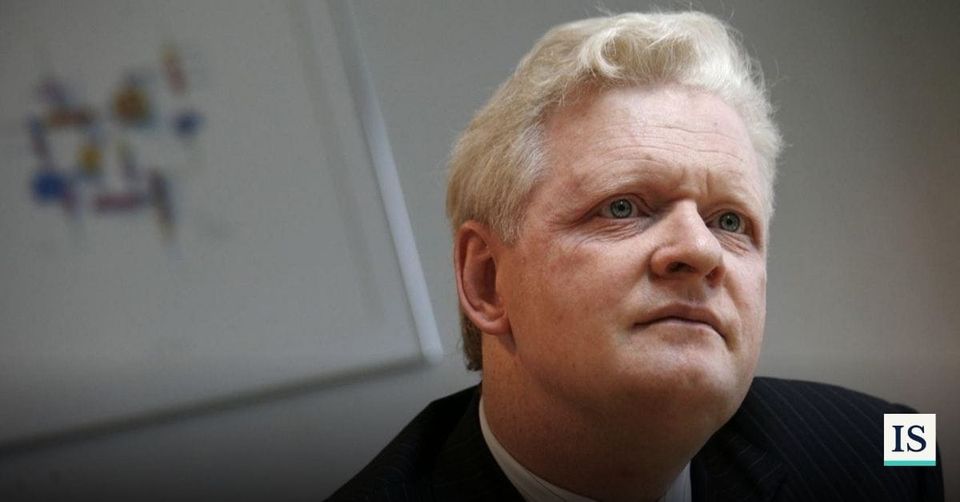
PaleBlueDot AI, a Palo Alto, California-based AI infrastructure company founded in 2024, announced on October 1 that it closed a US$200 million Series C round at a US$3.2 billion valuation. ComputeCore led the round. Existing shareholder B Capital, which led the company's Series B, also participated, along with other unnamed global investors. The company is led by CEO Stephen Watts.
The company sells computing power for AI through three business lines: its own GPU clusters, a GPU marketplace, and serverless inference, a service that runs AI models for customers without requiring them to manage servers. PaleBlueDot AI said the new capital will fund more compute capacity and give customers more choice in locations and hardware. Watts said the company will target frontier labs, newer AI labs and U.S. enterprises, and will expand its engineering and sales teams.
Market Context
The round comes eight months after a US$150 million Series B in January that valued the company at more than US$1 billion, which means its valuation roughly tripled. In July, PaleBlueDot AI also closed a US$255 million three-year credit facility from Brookfield Asset Management and Tor Investment Management, with JPMorgan as placement agent, to refinance existing debt and expand its infrastructure. The company says it has signed more than US$5 billion in customer contracts as of the end of September, and that its B300 cluster in Japan, built on NVIDIA's latest Blackwell Ultra chips, earned NVIDIA Exemplar Cloud status.
PaleBlueDot AI competes in the "neocloud" segment: independent providers that rent GPU capacity outside of Amazon, Microsoft and Google. Larger peers are signing very big multiyear deals. In April, Meta agreed to a US$21 billion AI capacity contract with CoreWeave running through December 2032, on top of a US$14.2 billion deal from September 2025. In March, Meta signed a separate agreement worth up to US$27 billion with European neocloud Nebius.
What Stands Out
"We will continue to broaden our customer base, with a focus on frontier labs, Neolabs and enterprises in the U.S., and we will invest in our full-stack and go-to-market teams." — Stephen Watts, CEO, PaleBlueDot AI
Regional Relevance
United States. The deal shows investors are still paying up for AI compute, even for companies less than two years old. Neoclouds have become an important source of supply for U.S. AI labs and companies that cannot get enough capacity from the big three cloud providers. Watts' focus on frontier labs and U.S. enterprises puts PaleBlueDot AI in direct competition with CoreWeave, Lambda and Nebius for the same customers and the same scarce NVIDIA chips.
The business model is also worth watching. PaleBlueDot AI pairs owned clusters with a marketplace that resells third-party GPU capacity. That mix could let it grow faster than rivals that must finance every data center themselves, but it also makes the company more exposed to swings in GPU rental prices.
Japan and Asia-Pacific. U.S. and Japanese customers together make up more than half of the company's monthly revenue, and its flagship B300 cluster sits in Japan. That makes PaleBlueDot AI part of Japan's wider effort to build domestic AI computing capacity. The company also operates in Korea and Southeast Asia, where demand for local AI infrastructure is growing as governments and companies look to keep data and workloads in the region.
The Other Side
Is US$5 billion in signed contracts the same as US$5 billion in revenue? No. Signed contracts are commitments that may run for years, can depend on capacity coming online, and are not the same as booked or collected revenue. The company has not disclosed actual revenue, and the contract figure is self-reported and unaudited.
Can a two-year-old company finance the GPUs those contracts require? Delivering on multibillion-dollar commitments takes far more capital than US$200 million. The July credit facility helps, but CoreWeave's heavy borrowing shows how debt-heavy this model can become. Rising rates or a drop in GPU rental prices would put pressure on newer players first.
What happens when GPU supply catches up with demand? Today's high valuations assume compute stays scarce. If NVIDIA supply loosens or hyperscalers add capacity faster, GPU rental prices could fall. A marketplace model offers some flexibility, but margins in pure capacity resale tend to shrink as the market matures.
Sources & Transparency
- PaleBlueDot AI Raises $200M in Series C Funding
- PaleBlueDot AI Raises $200M Series C Round to Scale Super Intelligence Infrastructure Platform
- PaleBlueDot AI raises $200M Series C to expand GPU compute
- PaleBlueDot AI Raises $200M Series C at $3.2B Valuation
- AI compute startup PaleBlueDot AI raises $150m in Series B funding
- PaleBlueDot AI Closes $255MM Credit Financing to Accelerate Agentic AI Infra Expansion
- Meta signs $21bn AI infrastructure contract with CoreWeave