
Sequoia Partners Reportedly Blindsided by Roelof Botha’s SpaceX Board Seat
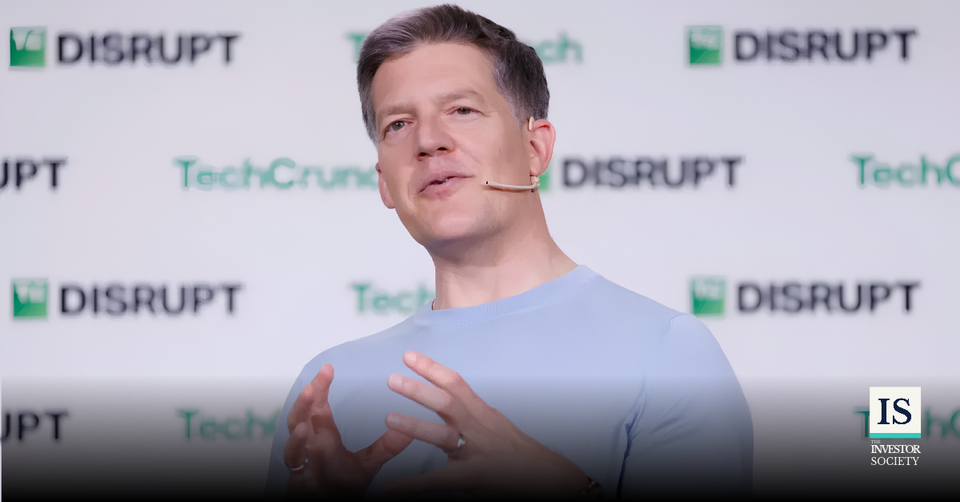
Sequoia Capital’s partners were caught off guard when former firm leader Roelof Botha joined the board of SpaceX in June. One source told the FT that Botha skipped both the firm’s compliance process and partnership approval, even though the seat could complicate the firm’s ability to trade its $20 billion stake in the rocket maker. The FT, citing five people with direct knowledge of the matter, reported that Botha believed he was following a request from SpaceX CEO Elon Musk. A Sequoia spokesperson said the firm still works closely with Botha.
The report lands days after Sequoia’s current co-stewards, Alfred Lin and Pat Grady, unveiled a sweeping overhaul. The firm said it has raised roughly $10 billion in new funds, and is closing its London office, shutting down its Arc accelerator and Scouts program, merging its early-stage and growth teams, flattening its partnership, and ending the Monday partner meeting. The FT framed these moves as an effort to undo Botha’s legacy; Botha was voted out as senior steward last fall in a surprise shake-up and completely cut ties with Sequoia this summer, around the time he joined SpaceX’s board.
Market Context
SpaceX’s board is now among the most consequential in public markets. The company raised US$75 billion in its June IPO, selling shares at US$135 and reaching a US$1.77 trillion valuation. Botha’s appointment brought the board to nine directors, and he also joined the audit committee. Governance power, however, sits with Musk, who has more than 80% of the now-public company’s voting power. Sequoia invested in SpaceX in 2019 and reportedly owned 1.5% heading into the IPO, one of the most valuable positions in venture history. When a person tied to a fund sits on a portfolio company’s board, the fund typically faces tighter trading windows and disclosure obligations, which is why the compliance question carries financial weight.
Sequoia’s retrenchment also fits a broader pattern among top U.S. firms. Its London exit follows Andreessen Horowitz shuttering its London office last year and Coatue closing its own in 2024. Sequoia has reversed course before: in 2023, it separated from its China and India/Southeast Asia arms, which became HSG and Peak XV. The firm now says seven general partners primarily own and operate Sequoia.
Key Signal
“He didn’t ask compliance, he didn’t get sign off from the partnership.”
— Person familiar with the matter, as quoted by the Financial Times
Regional Relevance
For the United States, the episode spotlights a governance gray zone in U.S. venture capital as mega-companies go public: what happens when a firm’s star partner leaves but keeps influence over one of its largest holdings. With SpaceX now trading on Nasdaq, Sequoia’s ability to sell, hedge or distribute shares to its limited partners (the pensions and endowments that fund it) has direct consequences for returns flowing back to U.S. institutions. It also signals how much leverage Musk retains over who sits around his boardroom table, a point investors in a company he controls by vote will keep watching.
For Silicon Valley and Europe, inside the Bay Area, the overhaul marks a return to a smaller, flatter, Valley-centric Sequoia, built around fewer partners and bigger bets on areas such as AI and space. For Europe, the message is sharper: Sequoia said it no longer needs a local presence and will support European founders from California, adding pressure on startups there to build ties with the Bay Area. Luciana Lixandru, the firm’s first European partner, was offered a move to San Francisco and declined.
The Other Side
Is this a governance failure or a messy breakup told by one side? Botha had not publicly responded. SpaceX’s filing said he was appointed to fill an existing vacancy and cited his public-company audit experience, which suggests the company saw a governance upgrade rather than a conflict. The full picture may depend on what Sequoia’s compliance rules required of a departed partner.
Does the board seat actually lock up Sequoia’s stake? Possibly, but not permanently. If Botha has fully cut ties with Sequoia, the firm may be able to argue it is no longer affiliated with a SpaceX director. The practical cost may lie more in delayed timing and legal caution than in a hard freeze on a roughly US$20B position.
Will Sequoia’s back-to-basics reset pay off? Concentrating on fewer people and offices can sharpen decision-making, but closing Scouts and Arc removes channels that once surfaced companies such as Stripe and Uber. Limited partners will judge the strategy on returns over the next fund cycle, not on the memo.
Sources & Transparency
- TechCrunch — Sequoia partners reportedly blindsided when Roelof Botha joined SpaceX board
- Financial Times — Sequoia Capital’s new chiefs sweep away remnants of Roelof Botha era
- TechCrunch — Sequoia hits rewind, undoing 20 years of expansion
- TechCrunch — Roelof Botha joins SpaceX’s board of directors
- Bloomberg Law — SpaceX Picks Sequoia’s Roelof Botha to Board Days After IPO
- Reuters (via StreetInsider) — Musk’s SpaceX raises $75 billion in largest IPO ever
- FourWeekMBA — Botha’s SpaceX Seat Reportedly Curbed Sequoia’s $20B Stake