
Uber: DC bill triggers head‑on collision with Waymo’s robotaxis
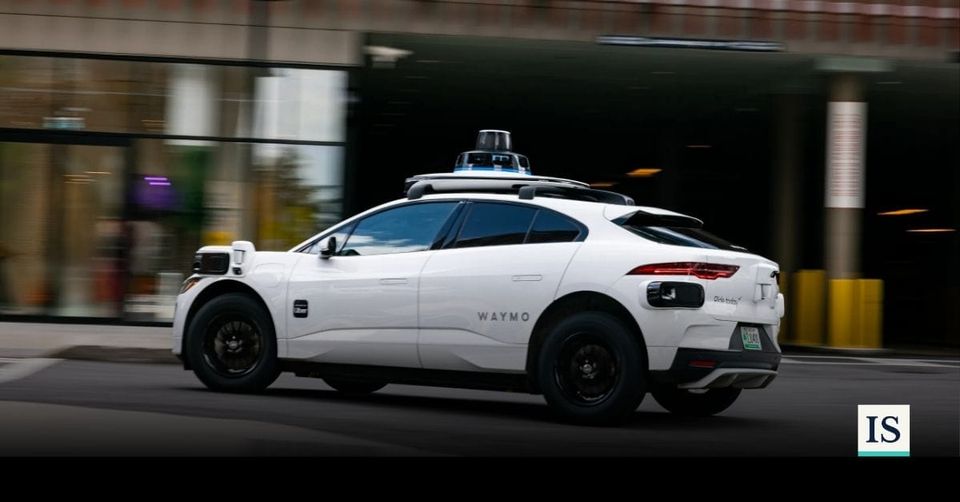
Uber has turned a Washington, D.C. bill that would allow autonomous vehicles to operate in the city into a political laboratory for its robotaxi strategy, intensifying its clash with Waymo, Alphabet’s self‑driving arm and today’s reference operator in this segment in the United States. What looks like a local permit fight is really a scale test: whoever captures the regulatory framework first and imposes its business model will shape both platform profitability and the barriers to entry for new players in the 2030s.
The bill in the US capital is a pilot case for Uber’s roadmap: a robotaxi network anchored in its massive demand platform but dependent on flexible rules for testing, liability and data access, versus a Waymo that already runs fleets in cities like Phoenix and San Francisco with a more gradual approach tightly aligned with state and local regulators. The collision is not just technological but institutional: whoever convinces lawmakers and agencies first that its approach is “safer” and “more scalable” will define prices, margins and the kind of partners that can realistically play in this market.
What exactly happened
The immediate trigger is a Washington, D.C. bill that would allow autonomous vehicles to operate in the city and has become a barometer of how far Uber’s lobbying can go in a market where it does not yet own the technology layer. For Uber, the business model is clear: keep control of demand, dynamic pricing and user experience, while gradually replacing human drivers with robotaxi fleets supplied by third parties or tech partners, cutting variable cost per trip and expanding gross margin per ride.
Waymo, in contrast, runs an integrated‑operator model: it builds the self‑driving technology, manages the fleet and sells the robotaxi service directly to end users, using Alphabet’s data infrastructure and capital to absorb upfront costs and negotiate with regulators from a long‑term partner position. The mechanism behind the conflict is about who defines the rules of the game: if the DC framework leans toward a setup that favors multi‑brand platforms like Uber, with looser requirements for direct control over the tech and more openness to integrations, Uber gains bargaining power against any autonomous stack provider; if instead the framework mirrors stricter standards tested in markets where Waymo already has a footprint, it will be easier for Waymo to replicate its playbook and preserve a compliance advantage that is hard to match.
Operationally, Uber’s bet is to use its track record as a mobility platform to argue it can deploy robotaxis quickly and at scale, diluting costs through its existing base of riders and drivers who can be turned into fleet operators or supervisors. Waymo, for its part, points to years of testing, millions of autonomous miles and local agreements to position its approach as the “safety standard” that should guide lawmakers in the federal capital.
Market context
The DC debate lands at a moment when the US autonomous vehicle rulebook is fragmented across pioneering states such as Arizona and California and more cautious jurisdictions that demand extensive testing and clear frameworks for civil and criminal liability. In 2025 and 2026 the regulatory pendulum has swung toward stricter transparency on incidents, mandatory data reporting and clear human‑intervention protocols, after several crashes involving autonomous vehicles in public pilots.
At the same time, the capital cycle for robotaxis has become more selective: after years of massive I&D spend with limited monetization, funds are demanding visibility on unit economics by city, fleet utilization rates and a realistic timeline to positive EBITDA at the local market level. In this environment, Washington, D.C. is not just another city but a political symbol: whatever framework the capital adopts can serve as a template for other federal and state jurisdictions, influencing valuations for both Uber and Waymo and shaping how other players, from legacy automakers to niche startups, negotiate their own licenses.
What this means for investors and business owners
- Regulatory capture is as powerful as technology: The fight over the DC bill shows that having the best self‑driving stack is not enough: whoever legitimately and sustainably shapes the rules of the game will secure an institutional moat that is hard to replicate. For investors, that means assessing not only the technical roadmap of autonomous mobility companies but also their ability to build credible relationships with regulators, design supervised pilots and manage public incidents without burning political capital.
- Demand‑side platforms can rebalance the power map: Uber’s move confirms that a platform with massive demand‑side scale can offset a technology gap by using its user base to push for more open regulatory frameworks that favor multi‑provider integration models. For business owners in regulated sectors, the lesson is clear: controlling the customer touchpoint can become the key lever for negotiating better terms with advanced tech suppliers and with government.
- Unit economics will be decided city by city: Even though the DC case is framed as a national precedent, robotaxi operations will remain inherently local: urban density, political climate, infrastructure and social tolerance will decide whether a market reaches the scale needed to cover heavy fixed development and deployment costs. Sophisticated investors will need to model unit economics at city level, not just at the aggregate corporate level, to identify where it makes sense to concentrate capital and where an aggressive rollout would just burn cash without a clear path to returns.
- Reputational risk is now central to regulatory risk: With autonomous vehicle incidents under the public microscope, any crash in a pilot in a city like Washington could trigger a political backlash that significantly delays nationwide deployment. For tech companies and platforms, that means crisis management, transparent data disclosure and alliances with local actors are no longer peripheral comms activities but part of the risk architecture investment committees must price in.
- There is room for forced‑cooperation strategies: If the political outcome in DC ends up being a framework that neither fully favors Uber nor completely cements Waymo’s model, a pragmatic cooperation scenario could emerge: selective integrations, data‑sharing deals or even cross‑licensing in specific cities. For portfolios, this suggests that “winner‑takes‑all” theses may be less realistic than hybrid structures where multiple layers of the stack, from the demand platform to the driving software, coexist under different contractual arrangements.
The Washington, D.C. experiment, with a bill that could open the capital’s streets to robotaxis backed by hundreds of millions of dollars in cumulative investment, distills the competition between Uber and Waymo to control the next phase of urban mobility. For attentive investors and executives, the message is that the next big competitive edge will not be decided only in the lab or in the app but at the table where the rules are written about who can put a driverless vehicle on the street, how and at what price. The open question is who will better align product strategy with the new regulatory geopolitics of cities before the pendulum of public opinion swings again.