Ábaco Raises US$53M in Central America's Largest-Ever Funding Round

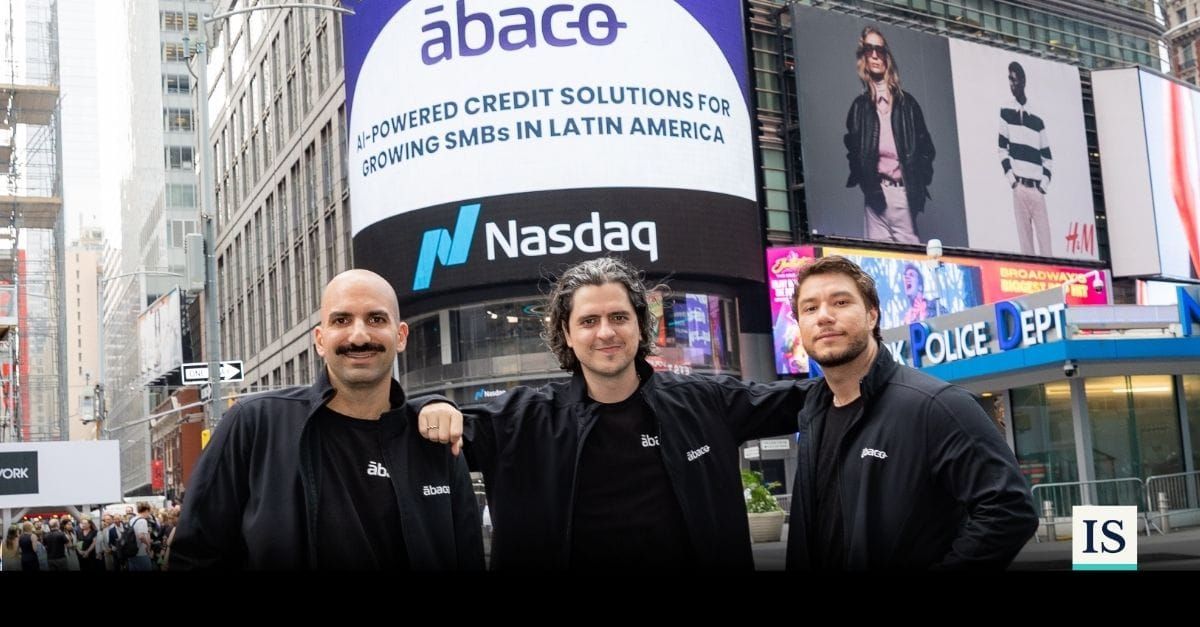
Ábaco, a San Salvador-based fintech, announced the close of a $53 million capital structure combining equity and institutional debt, making it the largest funding round recorded so far by a fintech in Central America. The transaction includes a $50 million warehouse facility led by U.S. firm Accial Capital, along with a $2.6 million Seed round backed by Impact Ventures PSM (Promotora Social Mexico), Nazca Ventures, Alaya Capital, Caricaco Ventures, and Innogen Capital, among others.
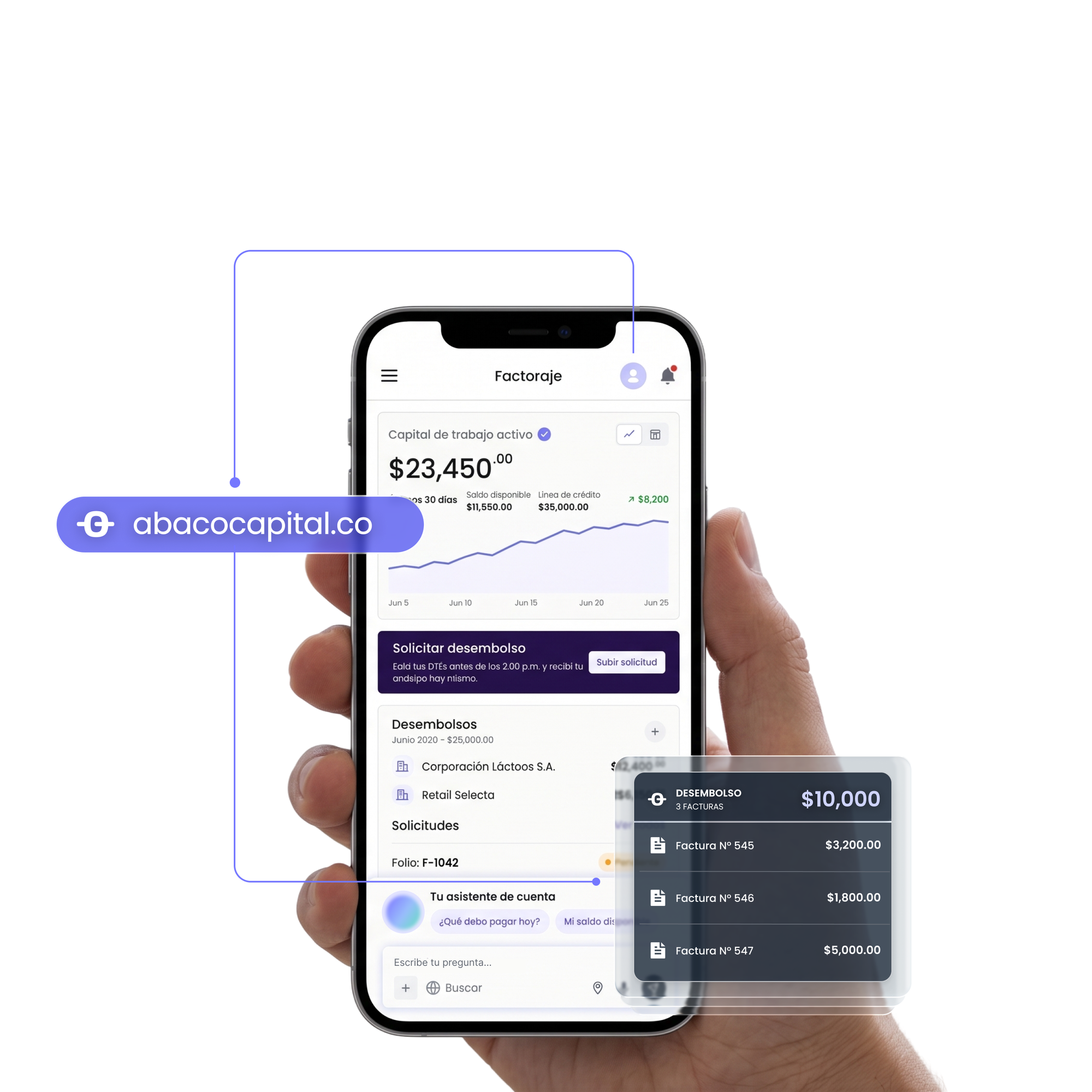
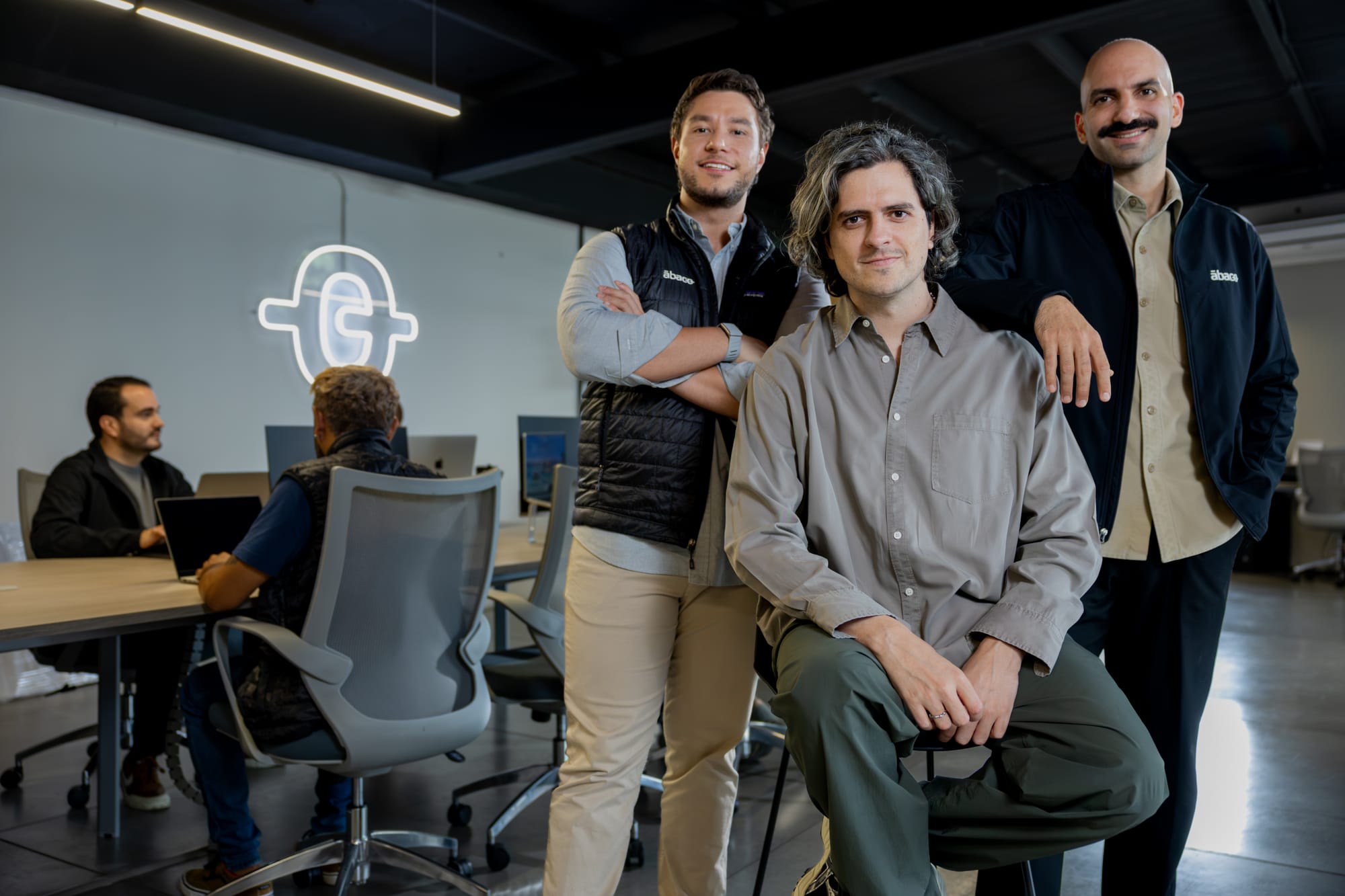
Founded in 2023 by Salvadorans Alejandro McCormack, Carlos Villalobos, and Moisés Hasbún, Ábaco uses artificial intelligence and automation to help small and medium-sized businesses turn unpaid invoices into cash in under 24 hours. Since launch, the company has raised more than $60 million in total, surpassed $100 million in originated credit, and completed more than 25,000 disbursements.
Market context
Ábaco’s round stands out in a market where deals above $50 million remain uncommon in Latin America outside Brazil and Mexico, two countries that have historically captured most of the region’s capital. In fact, Cuantico VP estimates that in 2025 Brazil and Mexico accounted for 78.5% of all venture capital invested in the region, while fintech concentrated 61% of capital across just 29% of deals, a sign that the largest rounds continue to be led by financial services companies.
Against that backdrop, Ábaco’s deal strengthens the case that SME financing in Central America is no longer just a structural gap, but an investable opportunity with scale potential. TechCrunch has highlighted in recent years the appetite for fintech infrastructure that enables lending to small businesses in Latin America, as seen in Kala and Mono, two companies focused on modernizing business lending origination and access in the region.
The structure also builds on El Salvador’s Digital Asset Issuance Law (LEAD), and Ábaco says the deal is one of the first in the region to integrate token-based mechanisms into its collateral and capital-efficiency framework. That support came alongside recognition from CAF, the Ministry of Economy, and the investment promotion agency INVEST.
Accial Capital, the round’s lead debt provider, has backed more than $4.5 billion in loans globally since 2018, including $3.4 billion directed to micro, small, and medium-sized enterprises, reaching more than one million borrowers, more than half of them women.
“This round is a signal that companies capable of attracting world-class institutional capital can be built from Central America to solve one of the region’s biggest challenges: access to financing for SMEs,” said Alejandro McCormack, CEO and co-founder of Ábaco.
Regional Relevance
For the United States, the deal shows how U.S. private credit capital can flow into an emerging Latin American credit niche — in this case, small-business factoring — that has been slow to attract institutional financing outside Brazil and Mexico. It also reflects a broader trend toward cross-border, impact-oriented investment strategies, where funds seek market-rate returns in underserved credit markets.
For Latin America, the round validates El Salvador’s effort to position itself as a hub for fintech and digital asset innovation through LEAD, while addressing a persistent regional problem: inadequate access to formal financing for SMEs. If Ábaco successfully expands into Guatemala and Costa Rica, it could become a reference point for cross-border digital factoring in the isthmus.