Adecoagro buys mill for US$148M: profit from day one
The Tether-controlled agribusiness is buying a distressed rival's sugar mill next door to its own, and it matters because the deal shows how balance-sheet strength turns a competitor's crisis into cheap, immediately accretive growth.

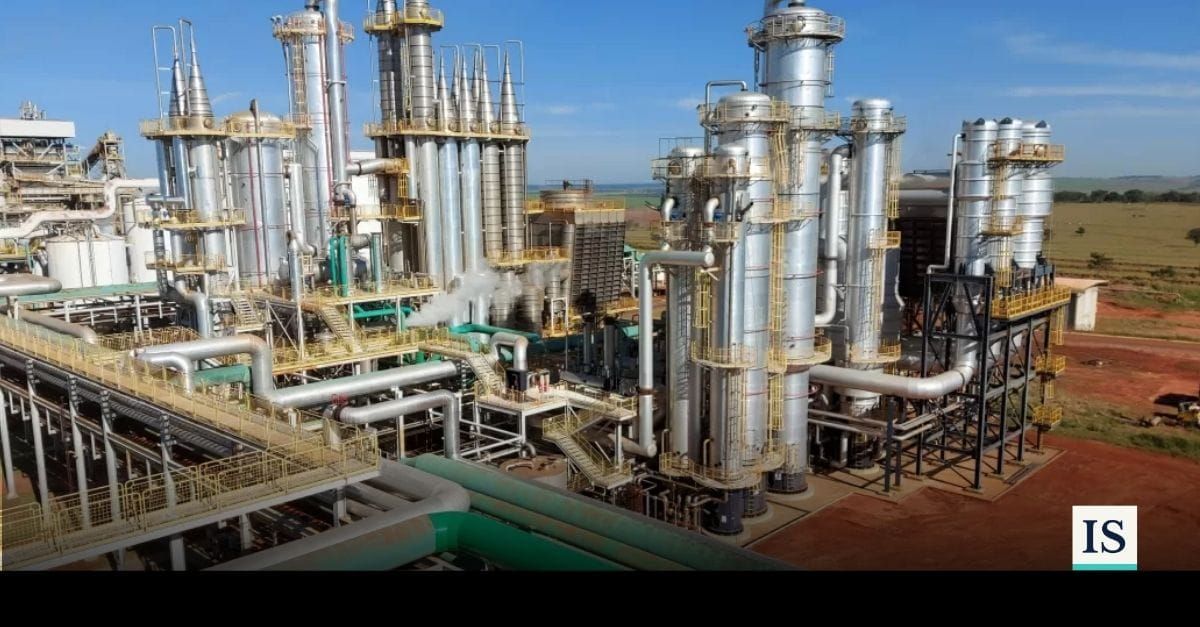
Adecoagro, the Argentine-origin agribusiness now controlled by stablecoin issuer Tether, has agreed to buy the Caarapó sugar and ethanol mill in Brazil's Mato Grosso do Sul state for roughly US$148M, or R$760 million, in a deal it says will add to earnings from the moment it closes. The seller is Raízen, the Shell and Cosan joint venture that has spent the past year shedding assets under a heavy debt load. The transaction, disclosed to the U.S. Securities and Exchange Commission and led on Adecoagro's side by CEO Mariano Bosch and Sugar, Ethanol and Energy VP Renato Junqueira Pereira, will be paid in cash at closing. For any investor or business owner, the hook is the phrase Adecoagro used itself: this asset should be positive for earnings from day one, a rare claim in acquisition announcements.
The reason the deal pencils out so quickly sits on a map. Caarapó lies about 100 kilometers from Adecoagro's existing Angélica and Ivinhema mills, letting the buyer fold it into an established cluster rather than run it as a standalone. The mill processed roughly 3.5 million tons of sugarcane in the 2025/26 harvest and can produce sugar, hydrous and anhydrous ethanol, and renewable energy. Adecoagro expects to lift crushing volume with limited incremental investment by feeding the mill excess cane from its current operations and sharing infrastructure and management. The market liked it: Adecoagro shares climbed on the news, up about 32% year to date, with BTG Pactual setting a US$16 target and Itaú BBA at US$15. The deeper story is what separates a buyer that profits immediately from a seller forced to sell at all.
What exactly happened
A bolt-on, not a bet
Adecoagro is not buying a turnaround project. It is buying capacity next to capacity it already owns. The acquisition includes the mill, owned sugarcane plantations, and the raw-material supply contracts attached to them. Because Caarapó sits inside the same geographic footprint as Angélica and Ivinhema, Adecoagro can apply its existing management model, route surplus cane from its other operations through the new mill, and share logistics and infrastructure across all three sites. That is why the company expects adjusted EBITDA to benefit from closing and sees further upside from operating synergies. The price, set at R$760 million, is subject to adjustment and payable in cash, and the deal still needs clearance from Brazil's antitrust authority, CADE. Adecoagro aims to close before October 1, 2026, at which point Caarapó joins its Sugar, Ethanol and Energy division.
Why the seller is selling
The other half of the story is Raízen. The company has been running a deleveraging program since late 2024, cutting its mill count from 30 to 24 and raising around R$5 billion from divestments, with proceeds earmarked exclusively for paying down debt. The pressure is severe: Raízen is working through an out-of-court restructuring covering roughly R$65.1 billion in financial debt, and management has pointed to Brazil's benchmark Selic rate climbing from 2% in 2020 to 15% in 2026 as a major driver of its distress. Caarapó is one more mill sold to a stronger balance sheet. That asymmetry, a financially disciplined buyer facing a debt-constrained seller, is the mechanism behind Adecoagro's ability to buy an accretive asset rather than overpay for growth.
Market context
The deal is a clean illustration of where Brazil's sugar and ethanol sector sits in 2025 and 2026. High interest rates have separated the industry into two camps: operators carrying heavy leverage into a soft sugar-price cycle, and low-cost producers with the balance-sheet room to consolidate. Raízen sits squarely in the first camp, running conservative price assumptions of R$225 per ton of sugar and R$3 per liter of ethanol as it restructures, with more than 80% of creditor claims secured and court approval expected by September 2026. Adecoagro sits in the second, describing itself as one of the lowest-cost sugar and ethanol producers globally. When capital is expensive, that cost position is not a marketing line. It is the difference between buying and being bought.
Adecoagro's firepower traces directly to its ownership. Tether took control of the company through a tender offer at US$12.41 per share, and Adecoagro has since gone on an acquisition run, becoming majority owner of Argentine urea producer Profertil in a deal backed by a US$300 million equity issuance that Tether anchored with a US$220 million commitment. The Caarapó purchase extends that pattern: a controlling shareholder with deep liquidity, a management team hunting accretive real assets, and a sector full of motivated sellers. For investors, the broader 2025 to 2026 narrative is consolidation driven by rate stress, and Adecoagro has positioned itself as a consolidator rather than a casualty.
What this means for investors and business owners
- A strong balance sheet is an offensive weapon, not just a cushion. Adecoagro can buy an accretive mill precisely because it is not the one drowning in debt. Raízen must sell for the same reason. The general principle is that capital structure determines who acts and who reacts during a downturn. Businesses that keep leverage disciplined in good times earn the option to buy quality assets cheaply when rates rise and weaker competitors are forced to divest. Balance-sheet strength converts a bad market into a buyer's market for those who prepared for it.
- Adjacency lowers the cost and risk of growth. The reason this deal is accretive from day one is geographic. Caarapó plugs into an existing cluster, so Adecoagro captures shared infrastructure and management instead of building a new operation from scratch. For any business owner weighing expansion, the lesson is that growth next to your existing footprint almost always beats growth into unfamiliar territory. Bolt-on acquisitions near current operations carry lower integration risk and faster payback than greenfield bets or distant diversification.
- Buy assets, not stories. Adecoagro is acquiring a producing mill with 3.5 million tons of throughput and existing supply contracts, not a promise of future performance. That is why it can forecast an earnings contribution with confidence. Investors evaluating any acquisitive company should ask whether management is buying cash-generating assets at sensible prices or paying premiums for narratives. The discipline of buying proven cash flow over projected potential is what separates durable compounders from serial overpayers.
- Distressed sellers create the best entry points, but timing is everything. Raízen's restructuring is the reason this asset is available at all. The best acquisition opportunities often appear when a competitor is forced to raise cash rather than when it chooses to sell. For business owners and investors, the strategic point is to stay liquid and ready during periods of sector stress, because the window to buy from a motivated seller is narrow and closes as balance sheets heal.
- Watch who controls the capital behind the buyer. Adecoagro's acquisition streak is inseparable from Tether's backing and its willingness to anchor large equity issuances. When a company suddenly turns aggressive on M&A, the identity and depth of its controlling shareholder often explains the shift. Investors should trace the source of a serial acquirer's capital, because a patient, deep-pocketed owner can sustain a buying strategy that a thinly capitalized one cannot, for better or worse.
Sources
- Adecoagro compra ingenio brasileño por US$148 millones y prevé ganancias desde el día uno
- Adecoagro S.A. Form 6-K: Acquisition of Caarapó Mill
- Raízen requests extrajudicial restructuring in Brazil
- Raízen Q4 2025/26 slides: fuel gains offset by sugar headwinds
- Adecoagro Form 6-K: Profertil acquisition and equity issuance