
AI and Jobs: Goldman Sachs Warns of 15 Million U.S. Roles at Risk
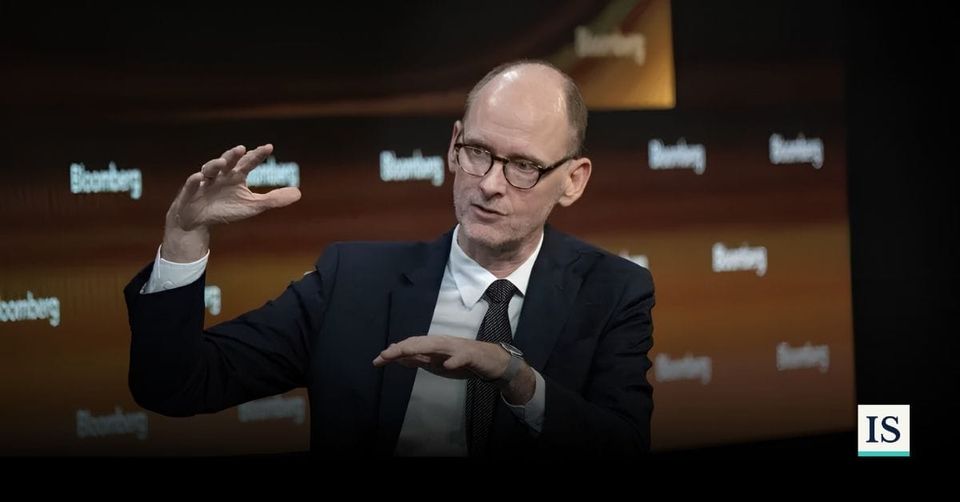
Goldman Sachs is intensifying the debate around artificial intelligence and its impact on the labor market, estimating that AI could displace up to 15 million U.S. workers over the next decade. The projection, presented by economist Joseph Briggs, is based on a scenario where AI delivers a 15% productivity boost once fully adopted across industries.
According to Briggs, early signals of this shift are already visible. AI adoption is currently reducing monthly payroll growth by approximately 10,000 to 15,000 jobs, particularly in sectors with high exposure to automation such as technology, management consulting, and creative roles like graphic design. These industries tend to rely heavily on knowledge work, making them more susceptible to rapid AI integration.
However, the outlook remains far from consensus. Experts participating in the same Goldman Sachs forum highlighted that the pace and scale of disruption may be overstated. MIT’s Neil Thompson emphasized that real-world adoption tends to be gradual and uneven, with most companies implementing partial automation rather than full workforce replacement. Similarly, economist Daron Acemoglu warned that while certain routine roles are likely to decline, broader labor market dynamics could offset some of the losses.
At the corporate level, early evidence presents a more nuanced picture. Some firms that are aggressively adopting AI are also expanding their workforce, suggesting that productivity gains can lead to growth rather than contraction. This reinforces the idea that outcomes will depend heavily on how companies deploy AI—whether as a cost-cutting tool or as a driver of new products, services, and revenue streams.
Still, the potential distributional impact is significant. Entry-level and lower-wage roles are expected to be the most vulnerable, raising concerns about income inequality and consumer demand. A large-scale displacement of these segments could weaken household spending, creating ripple effects across the broader economy.
The discussion also points to increasing pressure on policymakers. Governments may need to accelerate investments in reskilling programs, rethink tax structures, and adjust monetary policies to navigate the transition. For business leaders and investors, the key question is no longer whether AI will reshape the workforce, but how quickly—and who will benefit most from the shift.
Sources:
- Top economist says AI just hasn’t delivered on the productivity hype—and it means a ‘painful repricing’ of markets is very possible
- Every major tech layoff in 2026 that has name-checked AI
- Data From 21,000 Firms Reveals: AI Spending Is Creating Jobs, Not Killing Them
- The Great Rehire: Why Big Companies Are Quietly Bringing Human Developers Back
- Small businesses hired AI to save money. Now they're budgeting for its bad habits.