Berkshire Hathaway Completes $8.5B Acquisition of Homebuilder Taylor Morrison

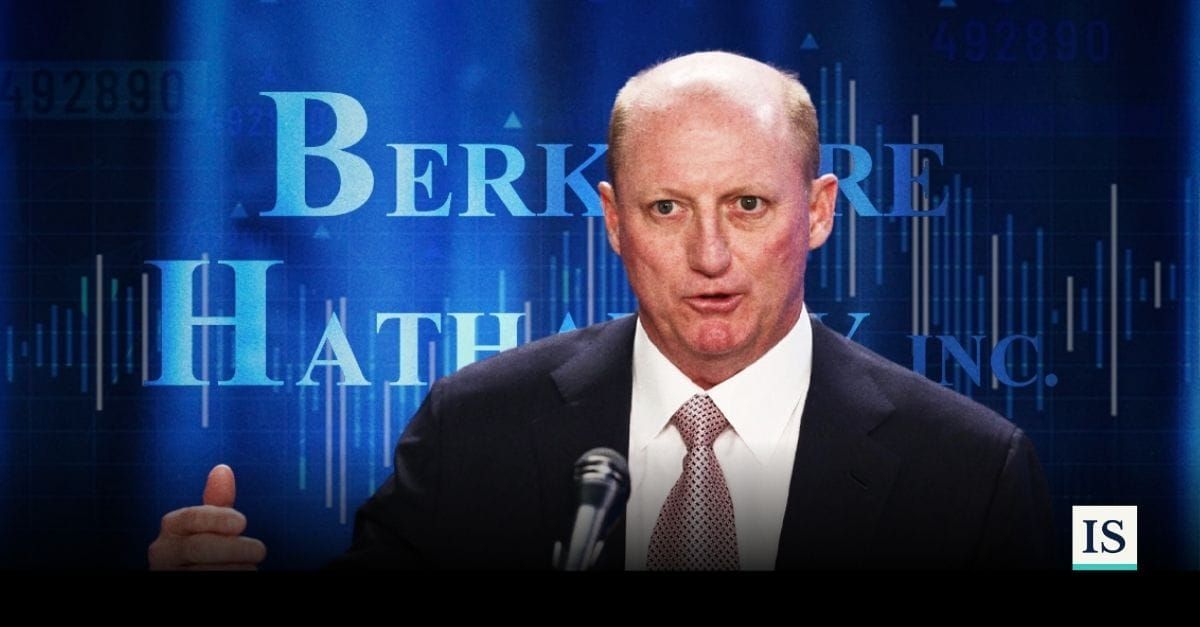
Berkshire Hathaway, the Omaha, Nebraska-based conglomerate led by CEO Greg Abel, completed its acquisition of Taylor Morrison Home Corporation on July 24, paying US$72.50 per share in cash. The deal values Taylor Morrison's equity at roughly US$6.8 billion and its enterprise value, including debt, at about US$8.5 billion, a 24% premium to the homebuilder's closing share price on May 29, the day before the deal was first announced. Taylor Morrison, headquartered in Scottsdale, Arizona, and led by CEO Sheryl Palmer, has been delisted from the New York Stock Exchange following the close.
Taylor Morrison's brands, including Esplanade, Yardly, and Taylor Morrison Home Funding, will now integrate with Clayton Properties Group, Berkshire's existing site-built homebuilding platform of 15 regional and local builders. Palmer will continue leading the combined operation through integration. Together, the companies delivered nearly 23,000 homes in 2025 across 21 states and 52 markets, making the combined entity the fourth-largest homebuilder in the United States by closings, trailing only D.R. Horton, Lennar, and PulteGroup. The transaction is the first major acquisition completed under Abel, who succeeded Warren Buffett as Berkshire's chief executive.
Market Context
The acquisition arrives as US homebuilders navigate a cooling housing market marked by elevated mortgage rates, affordability pressure, and compressed margins from buyer incentives and rate buydowns. Analysts describe the deal as a sign that Berkshire is betting on a longer-term recovery in US housing demand, even as near-term conditions remain difficult, a stance consistent with Berkshire's history of investing through cycles rather than around them. Taylor Morrison ranked sixth on the 2026 Builder 100 list and Clayton Properties Group twelfth; combined, they leapfrog into the fourth spot.
The deal also reflects a broader wave of consolidation in homebuilding. It is the third major 2026 acquisition of a publicly traded builder by a private buyer, following Japanese firms' expansion into the sector, including Sumitomo's roughly US$4.5 billion purchase of Tri Pointe Homes and continued growth by Daiwa House, as well as Dream Finders Homes' pursuit of Beazer Homes through multiple offers. Even so, analysts note the Taylor Morrison purchase is relatively modest against Berkshire's nearly US$400 billion cash position, suggesting selective rather than aggressive deployment into housing.
The Signal
"Berkshire Hathaway's long-term orientation is uniquely well-suited to the multi-year investment cycle of homebuilding." — Sheryl Palmer, CEO, Taylor Morrison
Regional Relevance
For the United States: The deal consolidates two homebuilders with a combined footprint of 21 states and 52 markets into the country's fourth-largest homebuilding operation, at a moment when housing affordability remains one of the most closely watched economic issues nationally. Berkshire's willingness to commit US$6.8 billion to a multi-year housing bet, even amid elevated mortgage rates, offers a signal to investors and policymakers about confidence in an eventual demand recovery, while the scale of the combined platform could reshape competitive dynamics for buyers and rival builders across dozens of local markets.
For Arizona and the Sun Belt housing markets: Taylor Morrison's Scottsdale headquarters and its concentration in Sun Belt growth markets make this deal particularly significant for a region that has been a focal point of US homebuilding activity over the past decade. The integration with Clayton's site-built and factory-built operations could accelerate construction capacity and pricing strategy in these markets specifically, with local implications for land development, labor demand, and housing supply in some of the country's fastest-growing metro areas.
The Other Side
Is this a genuine bet on a housing recovery, or a modest, opportunistic move? At US$6.8 billion, the deal represents a small fraction of Berkshire's roughly US$400 billion cash pile, and analysts note the muted scale suggests selective capital deployment rather than a broad strategic pivot into housing, raising the question of how much conviction actually underlies the "recovery bet" narrative.
Does industry consolidation help or hurt homebuyers? Executives frame greater scale as a way to serve "more customers, in more markets, with more choices," but fewer independent builders competing for buyers in a given market could just as easily support pricing power for the largest players, an outcome that would run counter to easing the affordability pressures the deal's backers cite as a rationale.
Can Taylor Morrison preserve the local expertise that built its brand inside a larger, centralized platform? Both CEOs emphasize maintaining "specialized local expertise," yet integrating a public homebuilder into a 15-builder regional network historically creates pressure to standardize operations, and it remains to be seen whether Taylor Morrison's community-level customization survives that process intact.
Sources & Transparency
- BusinessWire — Berkshire Hathaway Completes Acquisition of Taylor Morrison
- HousingWire — Berkshire completes Taylor Morrison deal valued at $8.5B enterprise value
- Builder Magazine — Berkshire Hathaway Completes Acquisition of Taylor Morrison
- TipRanks — M&A News: Berkshire Hathaway (BRK.B) Completes $6.8 Billion Acquisition of Taylor Morrison Home
- Fast Company — Warren Buffett's Berkshire Hathaway makes bold housing market wager: Acquiring Taylor Morrison and becoming America's 4th largest builder