
Colombia’s Celes Raises US$5M Series A Led by SP Ventures to Push AI Retail Replenishment Into Brazil
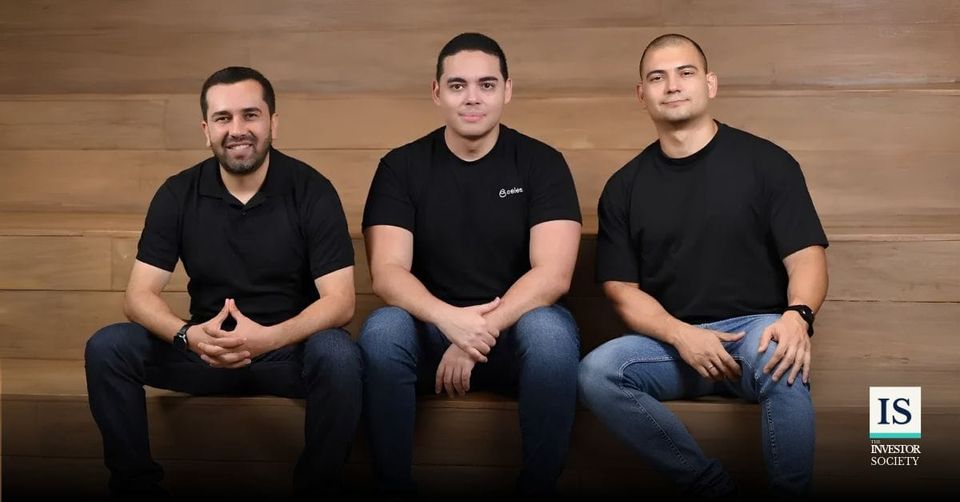
Celes, a Barranquilla-based retail software company, closed a US$5 million Series A round led by Brazilian fund SP Ventures, with participation from Fulcrum Global Capital (U.S.), 30N Ventures (Mexico), and Taram Capital (Chile). The deal was first reported by Forbes on October 28 and covered by LatamList on October 30. The company was co-founded by Luis Ricardo Almanza (CEO), David Florián (CTO), and Luis Ballestas (COO). Celes builds AI agents and predictive algorithms that help retailers forecast demand, manage inventory, and automate product distribution across stores.
The platform plugs into existing ERP systems such as SAP and Oracle, so retailers can automate inventory management without replacing their software. Celes operates in eight countries, produces 55 million demand forecasts a day across more than 8,500 stores, and counts Olímpica, FEMSA Salud, and Tiendas Neto as clients. The new capital will go toward consolidating operations in Colombia, Mexico, and Chile and launching a formal expansion into Brazil, the region’s largest retail market.
MARKET CONTEXT
The round lands as Latin American venture activity recovers. Startup funding in the region rose 26% year over year to US$1.3 billion in Q3 2026, though it dipped 9% from Q2, according to Crunchbase News data. Mexican startups have raised US$1.52 billion so far in 2026, ahead of Brazil’s US$1.08 billion. A US$5 million Series A is modest by global standards but typical for B2B software in the region, where capital-efficient enterprise tools have drawn steady interest.
This is Celes’ third disclosed raise. In May 2024, it closed a US$3 million round led by Mexico’s FEMSA Ventures, with MatterScale Ventures, Rockstart, Primeline Group, Wayra Hispam, Kuiper VC, NOA Capital, and Storm Capital participating. That round followed a US$1 million raise from investors the prior year. The company competes in a category dominated globally by large supply-chain planning vendors, positioning itself as a lighter, faster-to-deploy layer for emerging-market retailers.
REGIONAL RELEVANCE
For the United States, the deal reflects a broader shift in how AI is being deployed in enterprise operations. The value is less in chatbots and more in autonomous agents executing routine operational decisions, such as how much stock to send to each store each day. U.S.-based Fulcrum Global Capital’s participation also signals continued American investor appetite for Latin American B2B software, a lower-cost market for testing AI tools that sit on top of legacy systems like SAP and Oracle rather than replacing them.
For Colombia and Latin America, Celes is a rare scaled tech company from Barranquilla, outside Colombia’s established hubs of Bogotá and Medellín. Its investor syndicate maps directly onto its target markets: Brazil, the U.S., Mexico, and Chile. For regional retailers, where out-of-stocks often mean customers switch brands on the spot, COO Luis Ballestas argues that aligning data between retailers and manufacturers is the key to cutting operating costs, reducing lost sales, and avoiding stagnant inventory.
THE OTHER SIDE
Can a Colombian startup win in Brazil? Brazil is the region’s biggest prize but also its most complex market, with its own language, tax structure, and well-funded local software players. Having a Brazilian lead investor may ease entry through SP Ventures’ network, but replicating client wins like Olímpica will require local sales and implementation teams that US$5 million may only partially fund.
How dependent is Celes on a handful of large clients? FEMSA Ventures led Celes’ previous round, and FEMSA Salud is now a named client. Strategic ties like this can accelerate adoption but raise questions about concentration risk and whether growth extends beyond a few anchor accounts. Investors will likely watch the split between new logos and expansion within existing customers.
Is “90% automated” the right metric? Automating decisions is only valuable if outcomes improve. Celes has client testimony on fewer stockouts and lower costs, but no audited figures on forecast accuracy or margin impact were disclosed. As AI agents take on more operational control, retailers may demand clearer proof of ROI and accountability when forecasts miss.
SOURCES & TRANSPARENCY
- LatamList — Celes raises $5M Series A led by SP Ventures
- Forbes Chile — Esta startup barranquillera levantó US$5 millones para su expansión y los chilenos de Taram Capital la apoyan
- Tekios — Celes cierra Serie A de US$5 millones para expandir su IA de abastecimiento retail en Brasil
- Forbes Colombia — Celes atrae US$3 millones en ronda de inversión liderada por Femsa Ventures
- Finance Colombia — Colombian AI Startup Celes Lands $3 Million USD in Seed Investment Round
- Value Add VC (citing Crunchbase News) — LatAm Startup Funding Jumped 26% In Q3 2026