
Cracks in the AI Trade: Why Strong Earnings Are No Longer Enough
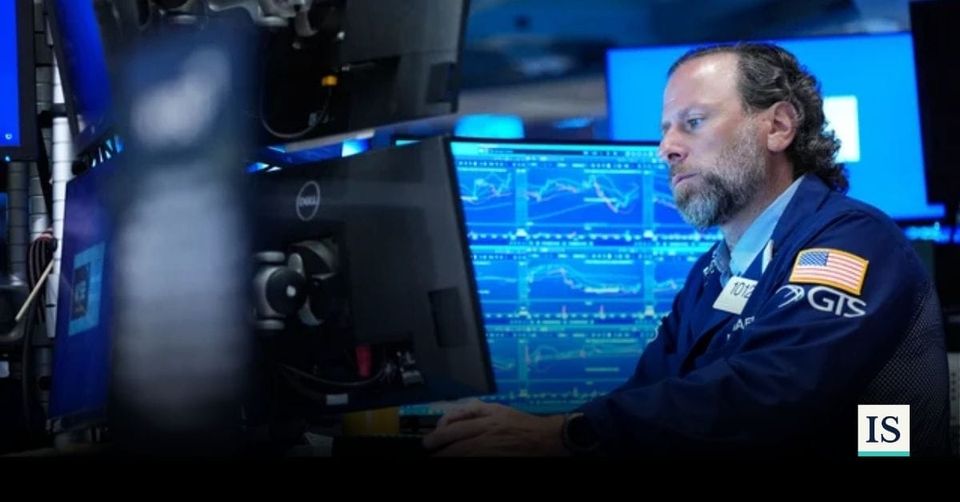
The global AI-driven semiconductor rally is showing early signs of fatigue, even as headline results remain strong. Samsung Electronics reported an estimated 19-fold increase in operating profit for the April–June quarter, driven largely by robust demand for high-bandwidth memory (HBM) chips used in AI infrastructure. Despite the blockbuster performance, Samsung’s shares declined, dragging South Korea’s KOSPI index lower and signaling that much of the optimism had already been priced in.
This reaction highlights a broader shift in investor sentiment. Exceptional earnings are no longer sufficient to push valuations higher, particularly in a market where AI-related stocks have led a highly concentrated rally. In the U.S., gains have been driven by a narrow group of semiconductor and AI leaders, while the majority of equities lag behind—raising concerns about market fragility and the risk of a sharp correction if expectations falter.
Additional pressure is coming from capital markets activity. SK Hynix’s planned $28 billion U.S. listing is emerging as a key test of global investor appetite for semiconductor exposure. The scale of the offering has already contributed to short-term selling pressure across chip stocks, as investors rebalance portfolios to accommodate new supply.
Strategists, including those at Bank of America, are increasingly warning that valuations in the AI and semiconductor sectors appear stretched, with speculative positioning at elevated levels. This has shifted market focus toward macroeconomic signals, particularly the Federal Reserve’s upcoming guidance on interest rates. Higher-for-longer rate expectations could weigh heavily on growth-oriented sectors, including AI.
At the same time, external risks are adding complexity to the outlook. Rising tensions and oil price volatility near the Strait of Hormuz are pushing energy costs higher, potentially reigniting inflationary pressures. This creates a challenging backdrop for equities, as persistent inflation could limit central banks’ flexibility and put pressure on already elevated multiples.
In the near term, markets are entering a critical phase where earnings performance alone may not be enough to sustain momentum. Instead, the interplay between AI-driven growth expectations, liquidity conditions, and macro risks will likely determine whether the current rally extends—or resets.
Sources:
- The stock market is about to suffer a ‘snapback’ and will lose much of this year’s gains as ‘speculation is hitting extreme levels,’ BofA warns
- Samsung union leader’s $34 billion bonus victory turns to bitterness
- How Samsung triggered a 4.91% Kospi rout after a 19-fold profit jump to $58.4 billion
- SK Hynix’s Nasdaq debut could be the market’s next stress test