Reid Hoffman and Mark Pincus-Backed AI Lab Prentis in Talks to Raise $100M at $1B Valuation

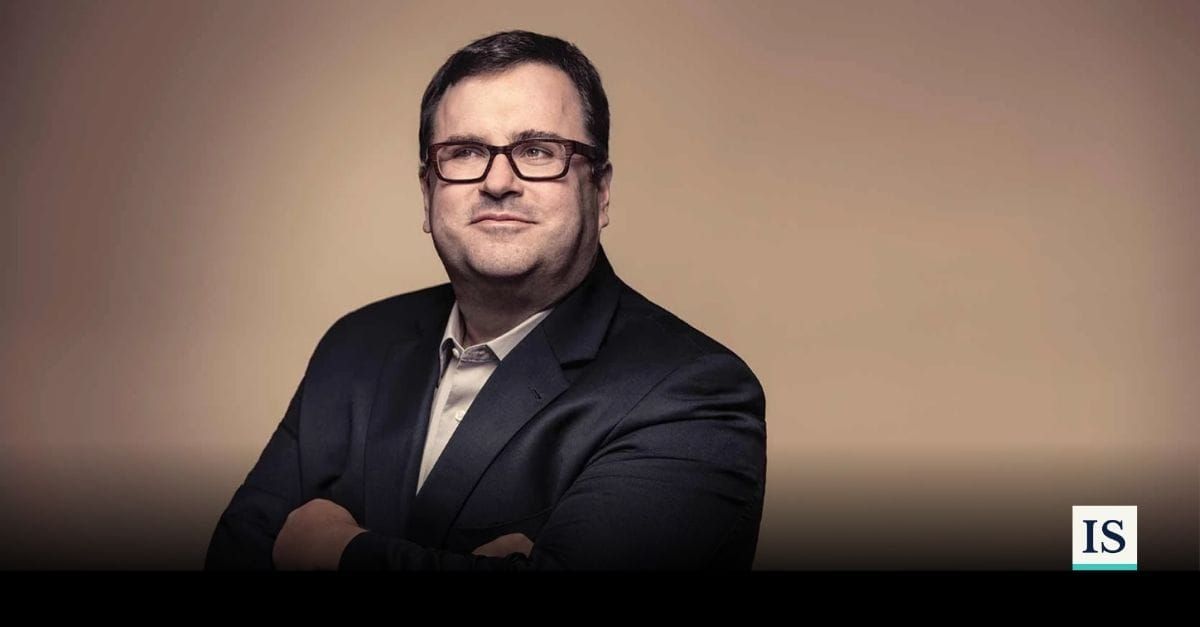
Prentis, an AI lab founded in April 2026 by CEO Ritankar Das alongside LinkedIn co-founder Reid Hoffman and Zynga founder Mark Pincus, is in talks to raise US$100 million at a US$1 billion valuation, according to a July 24 TechCrunch report. Das, who also runs the AI holding company Titan and previously founded healthcare AI startups Dascena and Forta Health, leads a team of more than 25 researchers and engineers recruited from OpenAI, Google DeepMind, Meta, Tencent, and Alibaba. Prentis did not respond to TechCrunch's request for comment on the funding talks.
The company builds computer-use AI agents, trained to observe how office workers navigate documents and software systems, that aim to automate routine enterprise workflows such as insurance claims processing and customs duty exceptions. Its flagship model, Hive-32B, is claimed by the company to outperform OpenAI's GPT-5.4 and Anthropic's Claude Opus 4.6 on computer-use benchmarks including WindowsAgentArena and ScreenSpot-v2, at roughly one-tenth the cost per task of frontier model APIs; TechCrunch noted these claims have not been independently verified. Prentis has already signed customer contracts worth up to US$50 million across healthcare, manufacturing, and apparel, under a model that charges 20% of documented cost savings, and projects a US$75 million annualized run rate by the third quarter, a figure the company itself describes as performance-dependent rather than recognized revenue.
Market Context
Prentis is entering a fast-growing but increasingly crowded market: the global agentic AI sector was valued at roughly US$9 billion to US$11 billion in 2026, up from about US$7.3 billion the prior year, with some forecasts projecting it could exceed US$130 billion by 2034. Gartner estimates that 40% of enterprise applications will embed task-specific AI agents by the end of 2026, and IDC pegs agentic AI at 10% to 15% of enterprise IT spending this year, putting Prentis in direct competition with OpenAI's Operator, Anthropic's Claude computer-use tools, Microsoft's Copilot, incumbent robotic-process-automation vendors like UiPath and Automation Anywhere, and well-funded startups such as Adept and Induced AI.
Prentis is positioning itself against that field with a narrower thesis: rather than competing on general-purpose coding assistants aimed at roughly 30 million developers worldwide, the company is betting on automating the routine digital tasks of more than a billion knowledge workers. That contrarian framing, paired with the split between Das's technical AI background and Hoffman and Pincus's Silicon Valley networks, is likely central to how the company is pitching its valuation to prospective investors.
The Number
$1 billion. That is the valuation Prentis is seeking in its $100 million funding round, for an AI lab founded just three months earlier that has not publicly shipped a product, has not had its performance claims independently verified, and declined to comment when TechCrunch asked about the round.
Regional Relevance
For the United States: Prentis's raise reflects continued investor appetite for enterprise AI-agent startups even as the broader venture market has grown more selective, and its billion-dollar ask before any public product launch illustrates how founder pedigree, rather than proven traction alone, can still command premium valuations in the current AI funding cycle. If the round closes, it would add to a wave of well-capitalized US startups targeting white-collar automation, a trend with direct implications for how American office work, from insurance processing to back-office administration, gets restructured over the next several years.
For the broader AI industry and its talent market: Prentis's roster of 25-plus researchers pulled from OpenAI, Google DeepMind, Meta, Tencent, and Alibaba underscores how intensely competitive AI talent recruitment has become across both US and Chinese labs, with new entrants able to assemble senior technical teams quickly given sufficient capital and founder credibility. The company's bet that computer-use agents represent a more durable business opportunity than coding assistants also signals where a segment of investor and founder attention is shifting within the broader agentic AI race.
The Other Side
Can a three-month-old company justify a $1 billion valuation on largely unverified claims? Prentis's assertion that Hive-32B outperforms GPT-5.4 and Claude Opus 4.6 has not been independently confirmed, and its projected $75 million run rate is explicitly performance-dependent rather than booked revenue, raising the question of how much of the valuation reflects proven technology versus founder reputation and market timing.
Does automating "routine office work" carry more real-world risk than coding assistants? Unlike a coding tool where a human developer reviews the output, autonomous agents handling insurance claims or customs exceptions operate closer to live business processes, where errors could have direct financial or compliance consequences, an execution challenge several competing reports flagged as requiring "extraordinary reliability."
Can Prentis differentiate itself as OpenAI, Anthropic, Google, and Microsoft all build competing computer-use features into products with far larger distribution? Prentis is betting that specialization and lower cost per task will win out over the reach of general-purpose platforms already embedded in enterprise software stacks, a wager that will be tested quickly given how fast larger labs are shipping their own agentic capabilities.
Sources & Transparency
- TechCrunch — Prentis, new AI lab co-founded by Reid Hoffman, Mark Pincus in talks to raise $100M
- HyperAI — Prentis AI Lab Seeks $100M in Funding Talks
- TechBuzz — Hoffman, Pincus Launch Prentis AI Lab, Eye $100M Raise
- Unite.AI — Hoffman-Backed AI Lab Prentis Seeks Unicorn Valuation
- RuntimeWire — Prentis seeks $100M at $1B valuation for computer-use agents
- Dealroom.co — Prentis launches AI lab for computer-use agents, in talks to raise $100M