The Startup Betting Against Nvidia's Moat


Hi, and welcome to a new edition of The Daily Dealflow — the 5-minute briefing that gives you clear context on capital flows and market-moving trends across the Americas, from Silicon Valley to Buenos Aires. Let's dive in.
🏆 Deal of the Day
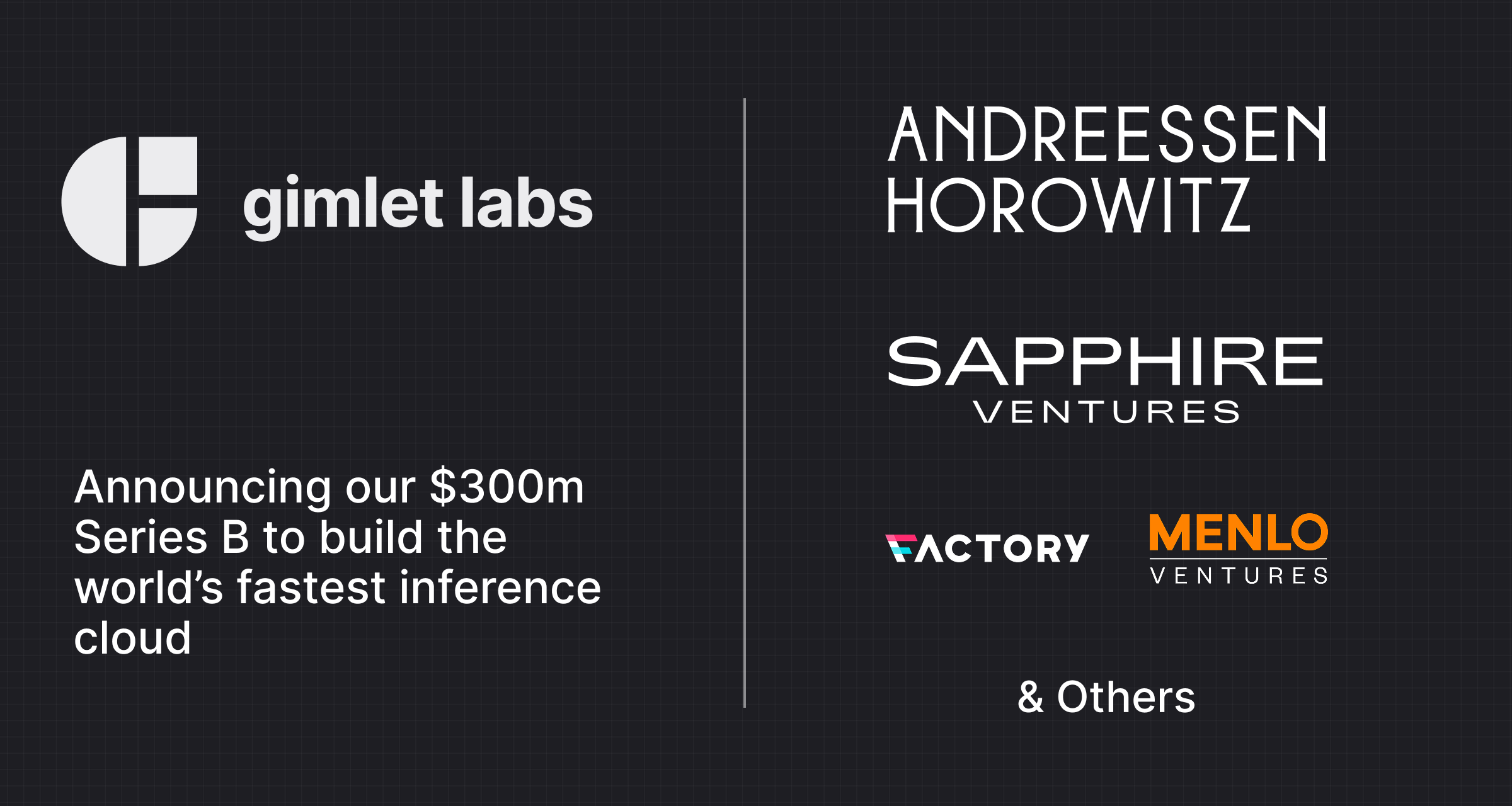
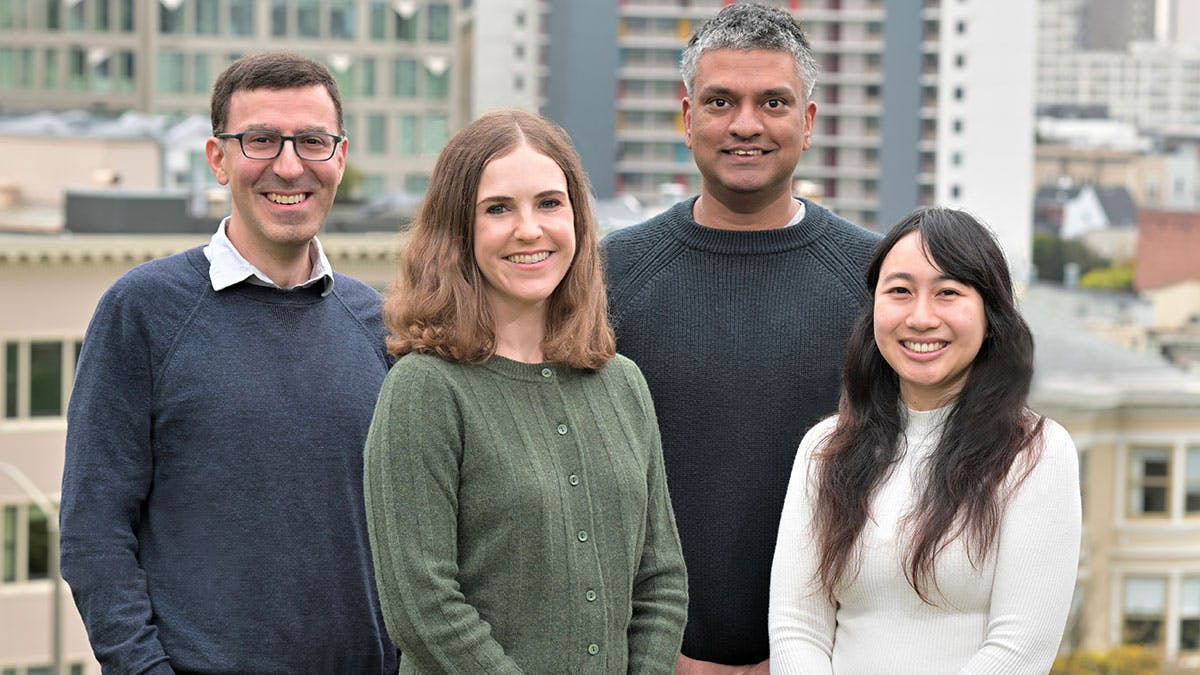
Gimlet Labs, a Palo Alto startup that lets AI workloads run across GPUs, CPUs and custom chips instead of being locked into one vendor's hardware, raised $300M in a Series B that values the company at $3B — up from just $80M raised in its Series A. Andreessen Horowitz led the round, joined by new backers Arm Holdings and Microsoft's M12, alongside Samsung Ventures – SiliconANGLE.
Why This?: It's a bet that the next big margin war in AI infrastructure isn't about who makes the best chip, but who controls how inference traffic gets routed across everyone's chips — with Arm and Microsoft, two companies that have obvious reasons not to let Nvidia own that layer, writing checks instead of just partnering.
Positive Context:
- The company says its platform delivers three-to-ten-times inference speed improvements for the same cost and power footprint, and reports "billions of dollars" worth of customer orders, including a top-three AI lab and one of the world's largest cloud providers.
- Founder and CEO Zain Asgar's team previously built Pixie Labs, an open-source Kubernetes observability company acquired by New Relic in 2020 — a track record investors are betting can repeat itself at much greater scale.
Yes, but:
- As one analysis bluntly put it, "traction has not been disclosed" despite the $3B valuation, and a chip-agnostic middle layer is exactly the kind of value that established cloud providers and chip vendors tend to try to build in-house once its usefulness is proven.
- Nvidia's own software, Triton and NIM, could absorb the same orchestration functions Gimlet is selling — meaning the "neutral ground" positioning that makes the company valuable today may not survive once incumbents decide to compete rather than integrate.
Zoom in: This $300M round was already Gimlet's third distinct raise in about a year — a $12M seed, an $80M Series A, and now this — an escalation curve that mirrors the AI infrastructure land-grab happening one layer up the stack, at the very hyperscalers and AI labs Gimlet counts as customers.
The comment: "The bigger opportunity for Gimlet may therefore be less about picking the next Nvidia challenger and more about making sure companies do not have to pick just one," wrote Abhinaya Prabhu in Tech Funding News.
💰 Venture Capital
Submit a deal for The Daily Dealflow newsletter via DM here on LinkedIn.
Haystack Robotics (US) – $3.95M, Series A, autonomous UV-C disinfection robots that navigate hospitals, schools and other facilities without needing pre-mapping, aiming to make high-level environmental disinfection scalable instead of a manual chore. Led by CEO Mahadev Eakambaram, the Portland-based company's "Violet AI" platform drew its round from an entity tied to medical-device maker Agadia Systems — proof that robots scrubbing down operating rooms are quietly becoming just as fundable as anything wearing an "agentic AI" label – FinSMEs.
Konko AI (Costa Rica/US) – $6M, venture round for patient-workflow automation covering triage, scheduling, referrals and follow-ups. Hi Ventures led, joined by LifeX Ventures, SquareOne, GroundUp, Phoenix Fund and angels; Jean-Marc Goguikian and Michael Haddad founded it. Konko says its AI has handled 2M interactions across 90 institutions – The Investor Society.
Diameter Pay (US) – $10M, Series A, fintech infrastructure that gives banks, fintechs and crypto exchanges outside the US a single API for virtual dollar accounts, payment rails and stablecoin on- and off-ramps. Founded by CEO David Lighton, the round was co-led by CMT Digital and Lightspeed Faction, with the Stellar Development Foundation among the backers; the company says it has already processed more than $10B this year – PR Newswire.
iPronics (Spain) – $125M, Series B for programmable silicon-photonics switches that rewire AI data-center connections in under a millisecond. Maverick Silicon and Light Street Capital co-led; Nvidia, Bosch Ventures, Amadeus and the EIC Fund joined. Christian Dupont leads the Valencia spin-off—making GPUs communicate with light, not traffic jams – The Investor Society.
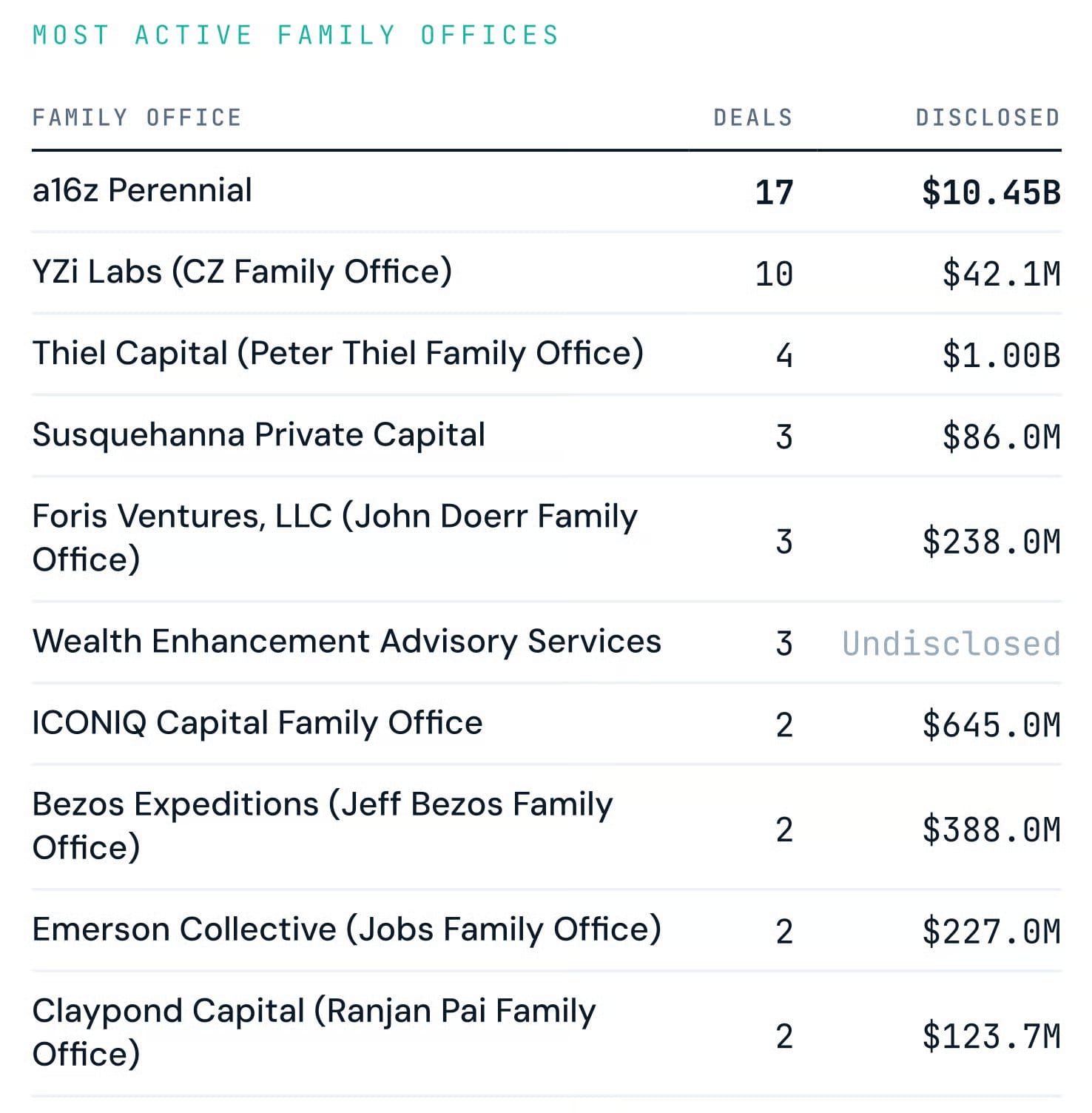
YouCred (Brazil) – $925K, investment, AI-powered payroll-lending platform that automates loan applications, approvals and Pix disbursements for Brazil's formally employed (CLT) workers, without requiring an app download or a bank correspondent. Founded by ex-Santander and Itaú BBA executive Leonardo Kogut, the capital came from KGX Capital — his own family office — as the company chases R$1B (~$185.2M) in loans over the next 12 months, with Kogut describing himself as running "a team of analysts, except they are automated" – LatamRepublic.
🏛️ Private Equity
McGraw Hill (US) – Acquires Teachally, an AI curriculum platform that creates, adapts, localizes and translates K–12 materials; terms undisclosed. Co-founded by Daniel Bernstein and Rushil Makkar, the five-person startup joins the publisher—an acqui-hire-sized bet on making curriculum travel faster than a school-bus route – The Investor Society.
SoundHound AI–LivePerson (US) – $304M, completed acquisition, the voice-AI company closed its purchase of conversational-commerce veteran LivePerson, welding SoundHound's proprietary voice agents to LivePerson's digital-messaging infrastructure to build what the two companies call a "world-leading omnichannel conversational AI platform." New CFO John Collins previously helped LivePerson swing from more than $100M in annual cash burn to positive free cash flow — a skill set SoundHound is clearly hoping travels with him – Tech Times.
Bending Spoons–Airtable (US) – $1.285B (equity value trimmed to roughly $2.25B before close), completed acquisition, the serial-acquiring Italian tech group closed its purchase of Airtable, the once-hyped no-code database darling, marking its first deal since going public. The sale price is a steep comedown from Airtable's $11B peak valuation a few years ago — a cautionary tale for any SaaS company that raised money at the very top of the market and is still figuring out how to grow into it – Dealroom.
Stanley Black & Decker–Excel Industries (US) – undisclosed value, divestiture, the tool giant agreed to sell Excel Industries — maker of the Hustler-brand ride-on and zero-turn mowers, a business generating roughly $300M in annual revenue — to rival Bad Boy Mowers. CEO Chris Nelson framed it as "refining" the portfolio to unlock shareholder value, while Bad Boy Mowers CEO Peter Ballantyne called Hustler's team "exceptionally well-run" — proof that even industrial conglomerates eventually decide some businesses are worth more to a focused rival than to a sprawling parent – PR Newswire.
📈 Public & Capital Markets
Teva Pharmaceutical (US, Nasdaq: TEVA) – debt issuance, the generic-drug giant launched a new offering of senior notes to refinance existing debt, one of several coupon-trimming moves large pharma balance sheets have made this year as interest rates stayed higher for longer than many issuers had hoped, pharmaceutical industry – GlobeNewswire.
Grupo Argos (Colombia) – ~$12.5M (COP $39,000M), share buyback, the cement-and-infrastructure conglomerate repurchased shares as part of a six-to-twelve-month, COP $500,000M buyback authorization, with CFO Felipe Aristizábal framing it as capital allocated toward "opportunities to generate returns significantly above the cost of capital" — corporate-speak for "we think our own stock is cheap," equities market – Portafolio.
Samsara (US, NYSE: IOT) – Q2 earnings beat, shares jumped roughly 8% after the physical-operations software company topped forecasts, grew annual recurring revenue to $2.1B (up 30% year-over-year), and raised its full-year EPS outlook — proof that the market for "boring" fleet-and-asset-tracking software remains one of enterprise tech's steadiest growth stories, software industry – Investrade.
Victoria's Secret (US, NYSE: VSXY) – equity move, shares have surged nearly 300% over the past year as the "Ozempic economy" nudges shoppers who've lost weight toward smaller sizes — CEO Hillary Super says the company has seen roughly a 3% shift downward in bra-band and underwear sizes purchased — though the company credits most of the rally to its own brand-recovery push rather than the injectables, retail industry – Yahoo Finance.
📅 ICYMI

Israeli startup Kimba raised $6.5M for a bedside device that pipes AI-tuned scents into your bedroom all night to help you sleep — its founder built it after years of insomnia and PTSD, betting that the next frontier in sleep tech is your nose, not your wrist – The Hustle.
Wellness-ring maker Oura filed to go public with 74% revenue growth to $1.21B and $60.8M in profit over nine months, at a valuation expected to top $11B — a reminder that the "quantified self" gadget on your finger has quietly become a bigger business than most Series A pitch decks dare to project – Wall Street Journal.
The miniature-housing market — yes, dollhouses for adults — has quietly become a $2.5B business, as collectors who grew up on the hobby now spend real money recreating tiny, perfect versions of the homes they can't necessarily afford in real life – Elle.
See you tomorrow,
Jose Kont
The human behind The Investor Society.