Uber buys Delivery Hero: US$15B and spins off 14 markets
Uber is offering roughly US$15B to take over Delivery Hero while carving out 14 markets to SSW Partners, a deal that reshapes global food delivery scale and raises fresh strategic questions for investors.

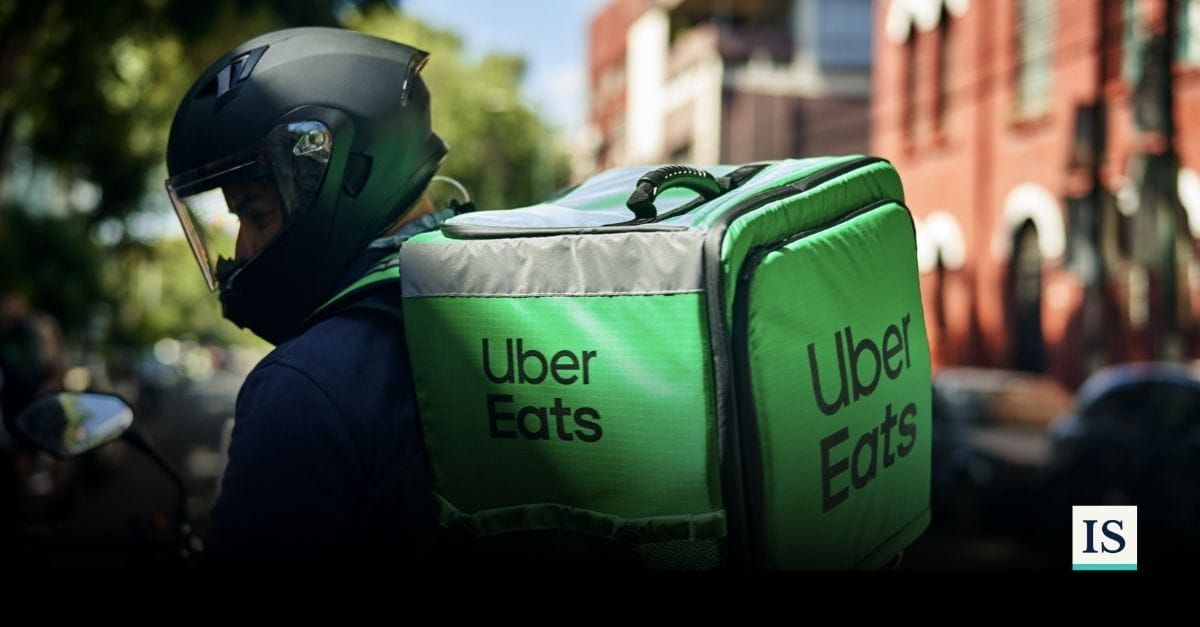
Uber Technologies is moving from strategic shareholder to outright owner of Delivery Hero with a voluntary takeover offer of €41.50 per share, valuing the German delivery group at about €13 billion, or roughly US$14.8–15 billion. The deal is backed by Delivery Hero’s management and supervisory board and paired with a separate sale of operations in 14 countries to SSW Partners for about €1.4 billion, turning this into one of the largest consolidation moves in food delivery since the post‑pandemic shake‑out and forcing investors to reprice platform scale, regulation risk, and regional carve‑outs.
The headline number hides several important mechanics: Uber was already Delivery Hero’s top shareholder after raising its stake to about 19.5 percent in the months leading up to the offer, and it now proposes a cash premium of roughly 34 percent over Delivery Hero’s three‑month average share price and about 127 percent over the unaffected pre‑rumor level. In parallel, Delivery Hero will sell businesses across Austria, Chile, Cyprus, Czech Republic, Ecuador, Greece, Moldova, Norway, Poland, Portugal, Romania, Spain, Sweden and Türkiye to SSW Partners for around €1.4 billion, reshaping its footprint while Uber pursues a food‑delivery platform spanning 99 countries with a pro‑forma gross merchandise value of US$236 billion in 2025.
Uber’s acquisition offer and business model
Uber has announced a voluntary public takeover offer for all outstanding shares of Delivery Hero at a cash price of €41.50 per share. The offer represents about a 34 percent premium to Delivery Hero’s three‑month volume‑weighted average price prior to the announcement and approximately 127 percent over the unaffected VWAP before early May 2026, signaling Uber’s willingness to pay up for scale and network effects despite Delivery Hero’s past profitability questions.
Post‑transaction, Uber aims to integrate Delivery Hero’s multi‑brand, multi‑country food and quick‑commerce operations into its existing mobility and delivery platform, effectively building a global marketplace that monetizes demand through commissions to restaurants, grocery partners and riders. The business model remains asset‑light: Uber does not own restaurants or inventory, but extracts margin from order volume and logistics optimization, using Delivery Hero’s local brands and its own Uber Eats banner to push cross‑selling and subscription products at massive geographic scale.
SSW Partners carve‑out and portfolio logic
To pre‑empt regulatory concerns and rationalize the footprint, Delivery Hero has simultaneously entered into a sale and purchase agreement with SSW Partners, under which the investment firm will buy operations in 14 markets for approximately €1.4 billion. These target businesses include parts of Europe and Latin America operated under brands like Foodora and Glovo, covering countries such as Austria, Chile, Czech Republic, Spain and Türkiye, among others.
This carve‑out effectively strips Delivery Hero of some overlapping or non‑core territories before Uber’s full integration, leaving Uber with a cleaned‑up geographic portfolio and SSW with a diversified set of delivery assets it can restructure or resell. For Delivery Hero shareholders, the carve‑out consideration sits alongside the takeover premium, while for Uber the structure helps mitigate antitrust risk and capital intensity by not absorbing every single Delivery Hero operation into its own balance sheet.
Market context
The Uber‑Delivery Hero transaction lands in a food‑delivery sector that is shifting from land‑grab to consolidation and disciplined capital allocation in 2025–2026. European regulators have already pressured Prosus, a major Delivery Hero shareholder, to trim stakes as part of a separate Just Eat acquisition process, and scaling food‑delivery platforms across multiple continents has repeatedly raised competition and labor scrutiny.
Uber has steadily built its position: it first invested about US$300 million in newly issued Delivery Hero shares in 2024 and then bought additional stakes from Prosus for €270 million, lifting its ownership from roughly 7 percent to about 19.5 percent, with options that could give it a blocking minority. Delivery Hero, for its part, previously expanded aggressively, including acquiring Glovo’s Latin American operations for up to €230 million and entering markets like Guatemala, Peru and Ecuador, which made it a key regional player but also exposed it to volatility and intense competition from Rappi, Uber Eats and other local platforms.
Competitively, Uber is pushing to counter pressure from DoorDash in the United States and Just Eat/Prosus and other regional players in Europe and Asia by controlling a platform that, according to Delivery Hero, could process US$236 billion of GMV across 99 countries in 2025. That scale changes the narrative from fragmented regional skirmishes to a few global platforms fighting over pricing power, labor models and regulatory risk, with carve‑outs like the SSW deal used as safety valves when concentration threats grow too visible.
What this means for investors and business owners
- Pricing power and scale are being repriced.
Uber’s willingness to pay a 34 percent premium on Delivery Hero’s recent trading levels and a 127 percent premium on the pre‑rumor VWAP suggests capital markets now value scale synergies and pricing power in food delivery more than near‑term margin volatility. For investors, this underlines that controlling demand aggregation across 99 countries and US$236 billion in GMV can justify rich valuations if it translates into defensible take‑rates, subscription economics and cross‑selling, even in an environment of tighter capital. - Carve‑outs are a core regulatory and portfolio tool.
The parallel sale of 14 markets to SSW Partners for about €1.4 billion shows that large platform deals will increasingly be structured with carve‑outs to manage antitrust perceptions and capital intensity. For business owners growing regionally, this is a reminder that non‑core markets can become valuable transaction “currency”: building credible local operations may pay off not only in operating cash flow, but as divestible assets that make a future strategic sale executable. - Strategic stakes can be stepping stones, not endpoints.
Uber’s path from initial US$300 million investment to 7 percent ownership, then to 19.5 percent and now to a full takeover offer illustrates how minority positions can be used as strategic options rather than passive holdings. Investors should recognize that when a large strategic player sits on a near‑blocking minority with explicit options, the probability of a control transaction rises, and valuation, governance and exit paths must be analyzed with that trajectory in mind. - Regional players face a squeezed middle.
Delivery Hero’s earlier move to acquire Glovo’s Latin American operations, including markets such as Guatemala, Peru and Ecuador, built regional breadth that is now being absorbed into a global platform. For mid‑sized operators and founders in food delivery and adjacent logistics, this suggests that the strategic landscape will be dominated by a few global platforms plus niche specialists, pushing the “squeezed middle” to either sell, specialize intensely or partner to survive. - Deal structure matters as much as headline price.
The combination of a cash offer at €41.50 per share, a minimum acceptance threshold of 50 percent plus one share, and a synchronized €1.4 billion asset sale to SSW Partners shows how multi‑step mechanics underpin mega‑deals. Investors and executives should focus on these mechanics: acceptance thresholds, regulatory timing, asset disposals and brand treatment can materially change integration risk, effective multiples and the long‑term competitive position created by the transaction.
At roughly US$15 billion for Delivery Hero plus a €1.4 billion carve‑out package to SSW Partners, this transaction is a defining moment in global food delivery consolidation. It crystallizes a thesis where scale, carefully structured divestitures and strategic minority stakes converge into one control deal, raising the bar for how investors and founders think about building and exiting platform businesses. For anyone allocating capital or building logistics‑enabled ventures, the real question is whether they intend to be part of these global gravity wells or to carve out profitable niches that can stand beside them rather than under them.
Sources
- Delivery Hero and Uber to Join Forces to Deliver More for Customers, Vendors and Riders
- Uber in $15 billion deal for Delivery Hero
- Uber agrees €13bn deal to acquire Delivery Hero
- Delivery Hero enters into a business combination agreement with Uber Technologies and into a sale and purchase agreement with SSW Partners
- Uber Raises Delivery Hero Stake in €270 Million Prosus Deal
- Uber raises stake in Delivery Hero in $318 million deal