
Outmarket Raises US$34.5M to Take Its Insurance AI From Brokers to Carriers
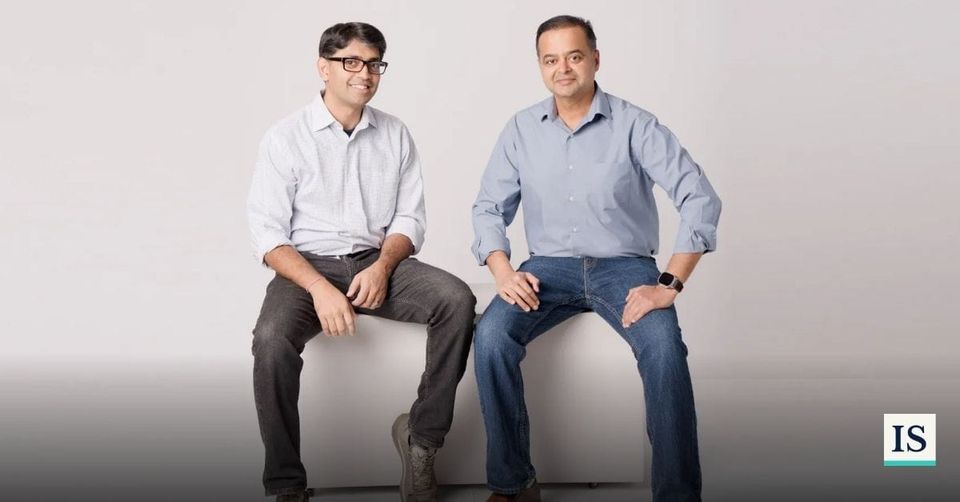
Outmarket AI, a San Francisco startup that uses AI to handle paperwork for insurance agencies and brokers, has raised US$34.5 million in a Series B round led by SignalFire, with participation from Fika Ventures, Permanent Capital Ventures, TTV Capital and Dash Fund. The round was announced on September 28, four months after a US$17 million Series A in May, and brings total funding to US$56.5 million. Outmarket was founded in late 2023 by Chief Executive Officer Vishal Sankhla, a former product leader at life insurance distributor Ethos who previously worked at Facebook and Uber, and Anshu Jain. TechCrunch reported the round valued the company at US$335 million, citing a person familiar with the investment. Outmarket has not confirmed a valuation.
The platform connects to the systems agencies use to manage clients and policies, and automates tasks such as reviewing policies, comparing quotes and analyzing loss runs, the claims history insurers ask for before pricing coverage. It covers commercial, employee benefits, personal and specialty insurance. Outmarket says more than 300 agencies, including about 25% of the top 100, and over 10,000 active users now use its software, all since it launched a new product 14 months ago. The company plans to use the funds to accelerate its product roadmap, hire across engineering, insurance operations and customer support, and extend its platform to insurance carriers. Alongside the round, it released a tool that automates certificates of insurance, the documents businesses use to prove they have coverage.
Market Context
Insurance remains one of the most manual large industries. Sankhla told TechCrunch that there are more than 250 types of business coverage, each with its own forms and documents, and the U.S. property and casualty market alone collects over US$1 trillion in annual premiums, according to S&P Global Market Intelligence. Commercial insurance is especially paperwork-heavy because each policy is tailored to a company's specific risks, from general liability to workers' compensation to directors and officers coverage.
Investors are funding several startups building AI layers for this work, often in quick succession. TechCrunch named Fulcrum AI and FurtherAI as competitors. FurtherAI raised a US$25 million Series A led by Andreessen Horowitz in October 2025, six months after its seed round, and focuses more on carriers' underwriting and claims teams. Outmarket's plan to reach carriers would put it more directly in that lane. The broader insurtech distribution space also got a public-market reference point this year when Ethos, Sankhla's former employer, went public.
In the Founder's Words
"Ninety-five percent of insurance in the U.S. and worldwide is still sold through [human] agents, and when you look at sort of like how the process is today, it's very manual." — Vishal Sankhla, co-founder and CEO, Outmarket AI, to TechCrunch
Regional Relevance
For the United States, Outmarket reflects a larger shift in how AI enters traditional industries: not by replacing the salesperson, but by removing the administrative work behind each sale. Agents remain the main channel for U.S. commercial insurance, and agencies face tight hiring markets and the risk of costly errors when coverage is misread. Software that reads policies and fills forms could let agencies handle more clients without adding staff, which matters in a market with more than US$1 trillion in annual premiums.
For San Francisco and the U.S. venture market, the round is another example of vertical AI, meaning tools built for one industry's data and rules, drawing back-to-back funding. A Series B four months after a Series A signals that investors are paying for early adoption among large customers. For independent agencies across the country, it raises the bar: firms that automate may be able to quote faster and cheaper than those that do not.
The Other Side
Is the valuation ahead of the business? Outmarket has not disclosed revenue, so customer counts and active users are the only public measures of traction. The US$335 million valuation comes from an unnamed source and has not been confirmed by the company, and at least one outlet reported a different figure of US$355 million. Investors are paying roughly six times the total capital raised before seeing public financials.
Will carriers let a broker-side tool in? Expanding to insurers would place Outmarket on both sides of the transaction, where data flows between agencies and carriers still move through email, PDFs and spreadsheets. Carriers may prefer to build their own systems or work with vendors already focused on them, such as FurtherAI, and some may be wary of a platform that also serves the brokers they negotiate with.
Who is accountable when the AI is wrong? Automated policy checks can reduce human error, but a missed exclusion or wrong coverage limit can leave a business uninsured when a claim hits. Agencies carry the liability for advice given to clients, so adoption across the top 100 will depend on how much work they are willing to trust to software, and how deeply those customers use it beyond initial deployments.