
Re:Build: US$2.1B to Make More Hard Tech Products in America
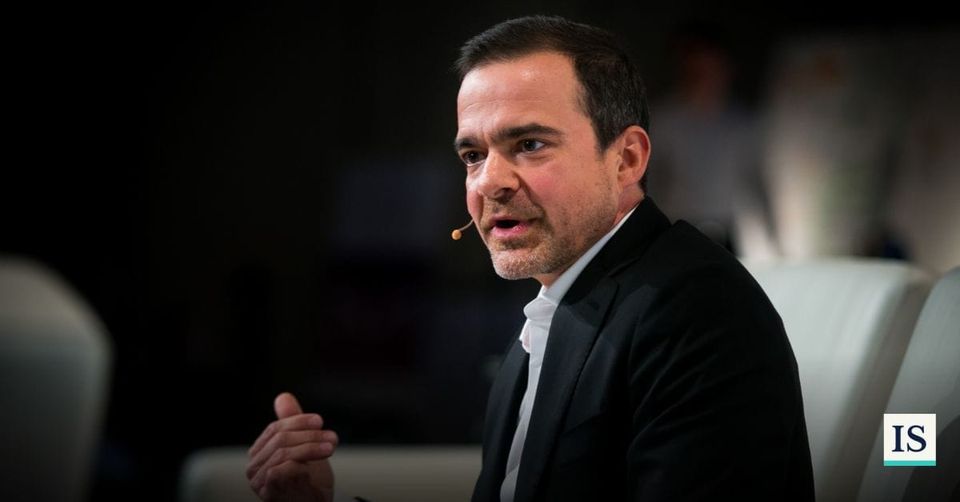
Re:Build, a Framingham, Massachusetts-based manufacturing company, announced US$2.1 billion in new funding on October 27, 2026. The round was led by venture firm General Catalyst and JPMorganChase's Strategic Investment Group, which handles direct equity investments for the bank's Security and Resiliency Initiative. Re:Build was founded in 2020 by Jeff Wilke, former CEO of Amazon's consumer business, and William Barker, who serve as co-executive chairmen, and Miles Arnone, its CEO. The company did not disclose its valuation, other investors, or how much of the money is equity versus debt.
Re:Build helps industrial companies design and build products from early concept to large-scale production in the United States, and also creates its own startups in markets it sees as underserved. Its best-known spinout is Slate Auto, a low-cost electric pickup maker that has raised at least US$1.4 billion, including from Jeff Bezos's family office, according to TechCrunch. Other companies it has launched include Neon Aero and Ensorcell. The new funds go to Re:Build's long-term holding company and will be used to expand manufacturing capacity and launch new industrial startups in aerospace and defense, electrification, medical devices, energy and robotics.
Market Context
Re:Build has more than 2,100 employees in the U.S. and over 2.4 million square feet of manufacturing space, and says it expects to create tens of thousands of U.S. jobs over the next decade. Its founding team has raised more than US$4 billion to date. Several executives come from Amazon, including chief digital and product officer Wei Gao, a longtime Amazon vice president. The company describes itself as "America's answer to Shenzhen," the Chinese city known for fast hardware production.
The round reflects a broader push by U.S. investors into domestic manufacturing. In October 2025, JPMorganChase launched a US$1.5 trillion Security and Resiliency Initiative to finance industries tied to national security, including up to US$10 billion in direct equity and venture investments. General Catalyst, which first invested in Re:Build in 2024, has also made defense and industrial technology a priority.
Key Signal
"We started Re:Build because the deindustrialization of America is an economic failure and national security risk." Jeff Wilke, co-founder and co-executive chairman, Re:Build (via TechCrunch)
Regional Relevance
For the United States, this is one of the largest private bets yet on bringing manufacturing back home. The U.S. has spent decades moving production to Asia, and companies now face pressure from tariffs, supply chain disruptions and defense needs to build more locally. Re:Build's model, which combines product design with factory work, aims to close a gap where many U.S. manufacturers simply make what others design. The backing of a major bank like JPMorganChase also signals that large financial institutions see domestic industry as a strategic investment, not only a policy goal.
For Massachusetts and other states where Re:Build operates, the funding could bring new factories and skilled jobs, though the company has not named specific new sites. For Latin America, the trend is worth watching: as the U.S. invests in producing more at home, countries such as Mexico, which have benefited from companies moving production closer to the U.S., may face more competition for some advanced manufacturing projects.
The Other Side
What exactly is the US$2.1 billion? The announcement does not say whether the money is equity, debt, or a commitment to be deployed over time. Without a valuation or breakdown, it is hard to compare this round with other large tech raises.
Can it scale profitably? Re:Build has not shared revenue or profit figures. U.S. factories face higher labor costs and a shortage of skilled workers, and the company's goal of tens of thousands of jobs is a long-term ambition, not a commitment.
How dependent is it on policy? Much of the demand for U.S.-made defense and energy products depends on government spending, tariffs and incentives. A change in policy could affect the economics of reshoring, and Slate Auto's success will also depend on demand for affordable electric vehicles.
Sources & Transparency
- Re:Build Raises $2.1 Billion to Expand US Manufacturing
- Re:Build, which spun out Slate Auto, raises $2.1B
- US manufacturing start-up Re:Build raises $2.1 billion - NYT Dealbook
- Deal Roundup: General Catalyst backs $2.1bn Re:Build financing
- Re:Build raises $2.1B late-stage round to rebuild US manufacturing