
DoorDash: US$17B Instacart Deal to Lower the Cost of Delivering Groceries
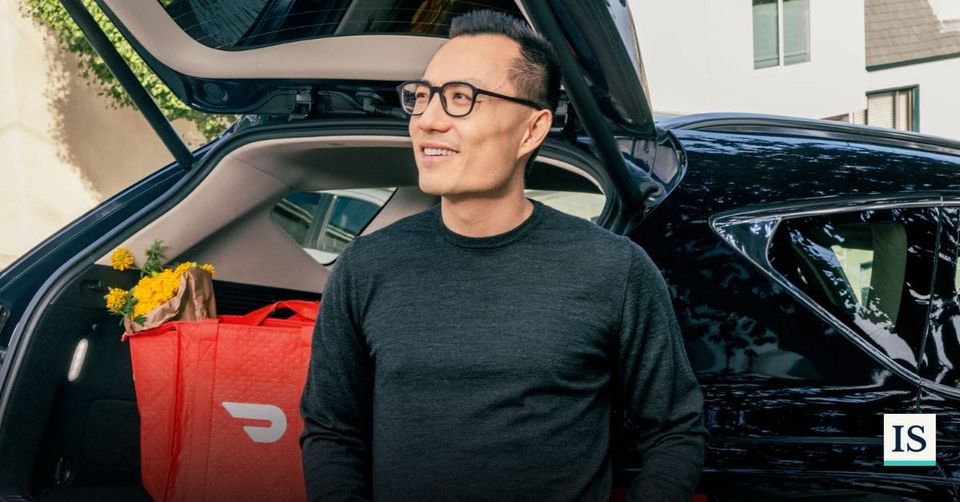
DoorDash agreed to acquire Instacart, formally known as Maplebear Inc., for US$65 per share, or an equity value of about US$17 billion. The deal was announced this week together with DoorDash's third-quarter results. The price is a 26% premium to Instacart's closing price on October 22, the last trading day before media reports of talks. Instacart shareholders can choose cash, DoorDash stock or a mix, but at least 75% of the total will be paid in cash. DoorDash, led by co-founder and CEO Tony Xu, will fund the deal with cash on hand and debt, backed by a bridge loan commitment from JPMorgan Chase. Instacart is led by CEO Chris Rogers.
The boards of both companies approved the deal, and holders of about 19% of Instacart's shares have agreed to vote in favor. It still needs approval from Instacart shareholders and regulators in the United States, Canada and Israel, and is expected to close at the end of 2027 or in the first half of 2028. DoorDash says the combined company could reach US$500 million or more in yearly savings over several years, after reinvestment. It plans to keep the Instacart brand, app and software for grocers, and says it will not require grocers to use its delivery services exclusively.
Market Context
The deal joins DoorDash's strength in restaurant takeout with Instacart's lead in groceries. Instacart holds about 70% of the U.S. third-party grocery delivery market and DoorDash about 10%, according to figures from Startup Fortune cited by IBTimes. DoorDash is coming off a strong quarter, with revenue up 34% from a year earlier to US$4.6 billion and orders up 28% to 993 million. It would be DoorDash's largest acquisition, after buying Finland's Wolt in 2022 and Britain's Deliveroo last year.
The two companies have discussed a combination on and off for years, and a 2021 attempt ended over antitrust concerns, according to IBTimes. Instacart went public in September 2023 at US$30 per share, valuing it at about US$9.9 billion, well below its private valuation of roughly US$39 billion during the pandemic delivery boom. Before this deal, Bloomberg reported that Instacart had held talks with Uber, which TechCrunch says Instacart walked away from.
Key Signal
"Grocery is one of the hardest things to get right online." Tony Xu, co-founder and CEO, DoorDash (via TechCrunch)
Regional Relevance
For the United States, the deal puts most of the country's app-based grocery delivery under one company. That matters for shoppers, for the gig workers who pick and deliver orders, and for supermarket chains that rely on Instacart to run their online stores and ad businesses. It is also a test for antitrust policy: CFRA Research called regulatory approval "the main risk," and New York City's consumer protection agency warned that the deal continues a "troubling trend" of corporate consolidation. Instacart shares traded near US$58, below the US$65 offer, a sign that investors are not fully convinced the deal will close.
Beyond the U.S., the deal needs approval in Canada, where Instacart also operates, and in Israel. It also reshapes the global delivery map. With Wolt and Deliveroo already under its roof, DoorDash is building a multi-country delivery group that now adds the largest grocery platform in North America, which puts more pressure on rivals such as Uber.
The Other Side
Will regulators let it happen? A company with roughly 80% of U.S. third-party grocery delivery is likely to draw close scrutiny. CFRA also noted that the long closing window "leaves the deal exposed to changes in policy." The pledge not to force grocers into exclusive delivery deals may not be enough to satisfy regulators.
Who benefits from the savings? DoorDash's US$500 million savings target comes from lower delivery costs and more advertising reach. The announcement does not say whether those savings will reach shoppers through lower fees, or what changes delivery workers can expect.
What happens to Instacart's partners? Instacart's partnership with Uber Eats, which lets Uber users order groceries through Instacart, would likely need to be renegotiated or ended, according to IBTimes. Grocers that see DoorDash as a competitor, through its own DashMart stores, may also think twice about relying on the combined platform.
Sources & Transparency
- DoorDash Announces Third Quarter 2026 Results and Agreement to Acquire Instacart
- DoorDash to acquire Instacart for $17B
- DoorDash to acquire Instacart for $17 billion
- DoorDash gobbles up Instacart in $17 billion deal
- DoorDash Strikes $17 Billion Deal to Buy Instacart, Uniting Delivery Rivals in Its Biggest Bet on Groceries
- DoorDash to acquire Instacart for $17 billion, creating delivery giant