
Texas Stock Exchange (TXSE) Goes Live, Taking Aim at NYSE and Nasdaq
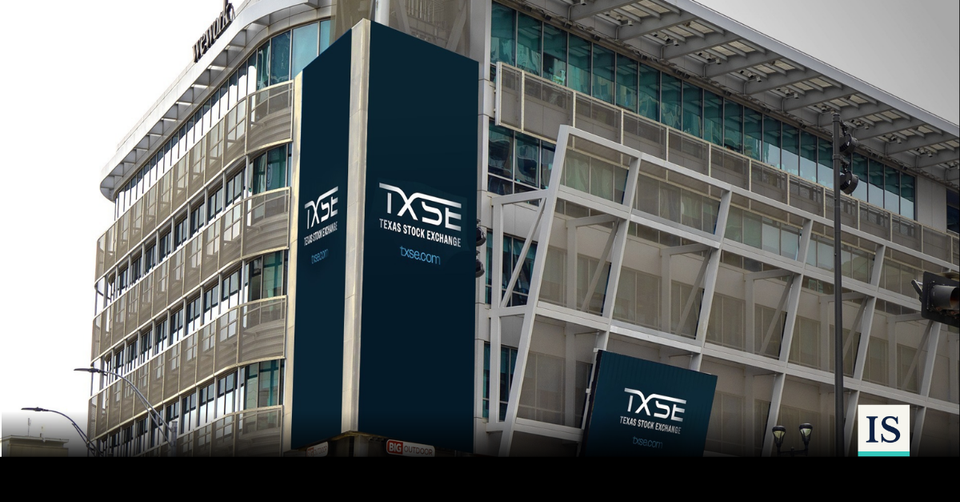
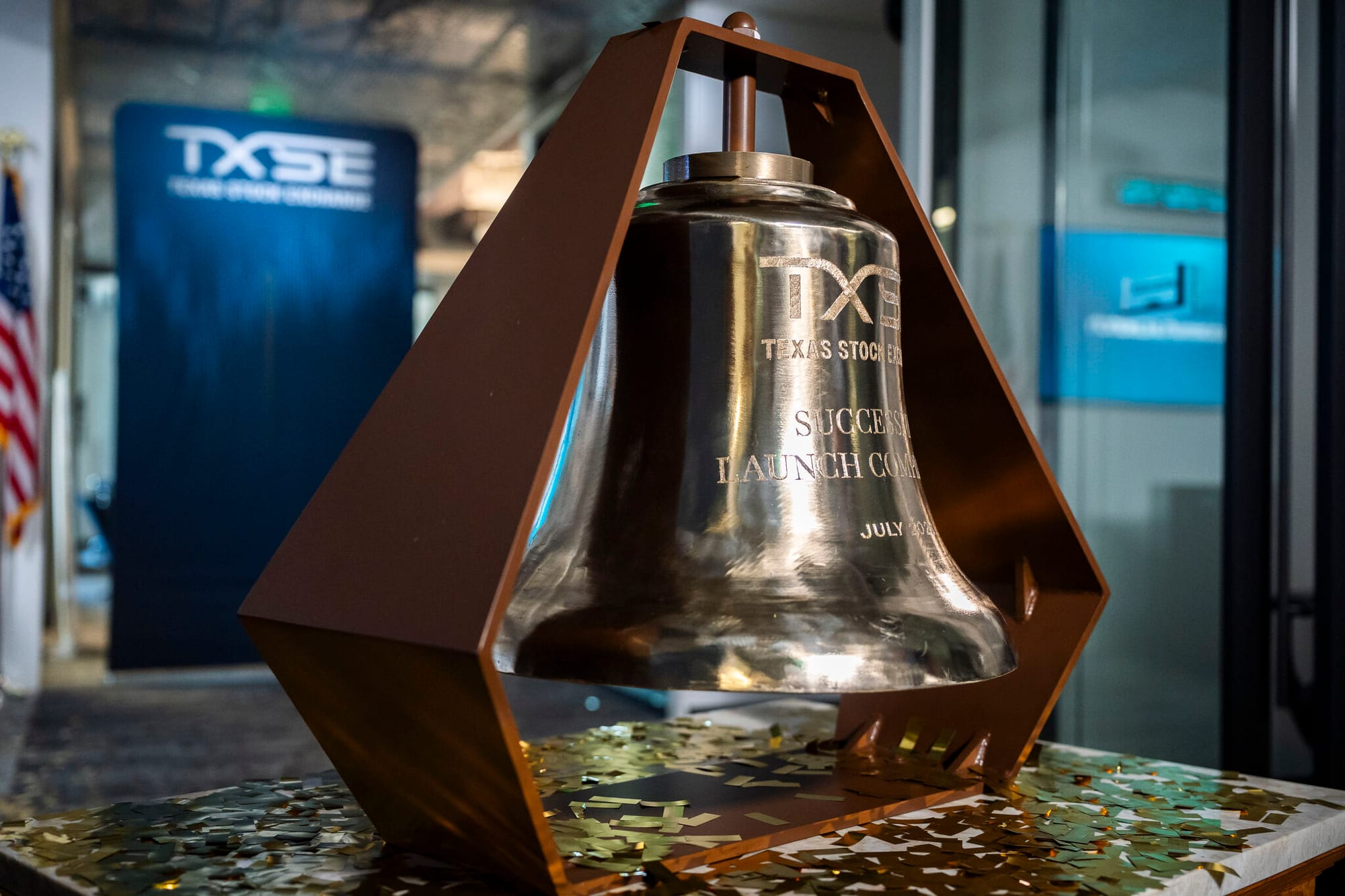
The Texas Stock Exchange (TXSE) completed its full launch on July 31 2026, with a bell-ringing ceremony at its temporary Dallas headquarters marking the end of a phased rollout that brought all National Market System symbols onto its trading platform. The exchange built a custom order-matching engine over 18 months and delivered a fully integrated trading and listings platform, something no prior new entrant has accomplished, opening with more than 50 member firms in what it called the broadest day-one participation of any exchange launch in half a century.
TXSE is led by Chairman and CEO James H. Lee, and its financial backers include BlackRock, Goldman Sachs, Charles Schwab, JPMorgan Chase, Citadel Securities, and Fortress Investment Group, along with Michael Dell's family office and Texas investment firm Franklin Mountain Investments. The exchange is currently operating out of temporary offices in Dallas' Uptown neighborhood while it builds a permanent headquarters. TXSE is the first new major U.S. stock exchange to launch in decades and is aiming to compete with the New York Stock Exchange and Nasdaq for corporate listings, with IPOs expected to begin in 2027.
 Texas Stock Exchange | TXSE Group Inc
Market Context
TXSE's launch follows years of companies relocating headquarters and listings to Texas amid friendlier regulatory and tax environments, and it received SEC approval for its Form 1 registration in September 2025 after initially raising roughly $120 million, with a JPMorgan-led round later pushing total funding above $250 million. The exchange is positioning itself around what it calls the "Boom Belt" — a corridor from Texas to North Carolina that it says accounts for an $8.9 trillion annualized GDP and 57% of U.S. job growth over the past five years, with roughly 1,000 public companies and 14,000 private equity-backed companies as its addressable market for future listings.
Prior challengers to the NYSE/Nasdaq duopoly, such as IEX and the Long-Term Stock Exchange, have struggled to gain meaningful traction, underscoring how difficult it is to pull listings volume away from incumbents. TXSE says it plans stricter listing standards — including earnings tests and minimum price requirements — that would exclude roughly 1,500 current Nasdaq-listed companies and 200 NYSE-listed companies, a bet that quality-over-quantity positioning can differentiate it in a market where the total number of U.S. public companies has fallen more than 45% over the past 25 years.
Key Signal
"Today is a watershed moment for the state of Texas and America's capital markets. TXSE is now firmly a part of the global market structure."
— James H. Lee, Chairman and CEO, Texas Stock Exchange
Regional Relevance

For the United States: TXSE's debut is the first credible new entrant into U.S. equity market structure in decades, and its backing from BlackRock, Goldman Sachs, JPMorgan, Citadel Securities, and Charles Schwab signals that major Wall Street institutions see room for a third national listings venue. If TXSE succeeds in pulling even a modest share of IPOs or existing listings away from NYSE and Nasdaq starting in 2027, it could pressure incumbent exchanges on listing fees, governance requirements, and compliance costs — a dynamic that would ripple through how companies nationwide weigh where to go public.
For Texas: The launch cements Dallas as a genuine third hub in U.S. capital markets alongside New York and Chicago, reinforcing a broader pattern of corporate relocations — including Dell's shareholder vote to redomicile to Texas — that state officials, including Governor Greg Abbott, have actively courted since the exchange was first announced in 2024. A Texas Market Center planned for the exchange's future headquarters in the Bank of America Tower, including a business museum and broadcast studio, signals the state's ambition to make the exchange a visible symbol of its economic rise, not just a back-office trading venue.
The Other Side
Can TXSE actually win listings away from NYSE and Nasdaq, or will it mostly capture trading volume without moving the companies that matter? Prior challengers like IEX and the Long-Term Stock Exchange gained SEC approval and trading volume but never meaningfully dented the incumbents' grip on IPOs — the far more lucrative and reputationally significant business.
Does TXSE's stricter listing standard help or hurt its growth ambitions? Excluding roughly 1,700 currently listed companies from qualifying could position TXSE as a premium, higher-quality venue, but it also shrinks the pool of near-term switchers it can pitch, potentially limiting momentum before its 2027 IPO push begins.
Is the political and regional branding — "Y'all Street," the "Boom Belt," ties to Trump-aligned backers — an asset or a liability? It may resonate strongly with Texas-based and conservative-leaning issuers, but it also risks framing the exchange as ideologically coded in a way that could complicate its stated goal of remaining apolitical and broadly appealing to global issuers.
Sources & Transparency
- Barron's — Texas Stock Exchanges
- Fox Business — Texas Stock Exchange officially goes live to rival NYSE and Nasdaq
- Traders Magazine — Texas Stock Exchange Celebrates Successful Launch of Trading
- The Texas Tribune — Texas Stock Exchange launches trading in test of upstart's challenge to Wall Street
- IndexBox — TXSE Launches: Texas Stock Exchange Begins Trading, Targets Boom Belt IPOs
- Office of the Texas Governor — Governor Abbott Marks Successful Trading Launch Of Texas Stock Exchange