
Buy Your AI Brain, Skip Subscriptions
Hi, and welcome to a new edition of The Daily Dealflow — the 5-minute briefing that gives you clear context on capital flows and market-moving trends across the Americas, from Silicon Valley to Buenos Aires. Let's dive in.
🏆 Deal of the Day
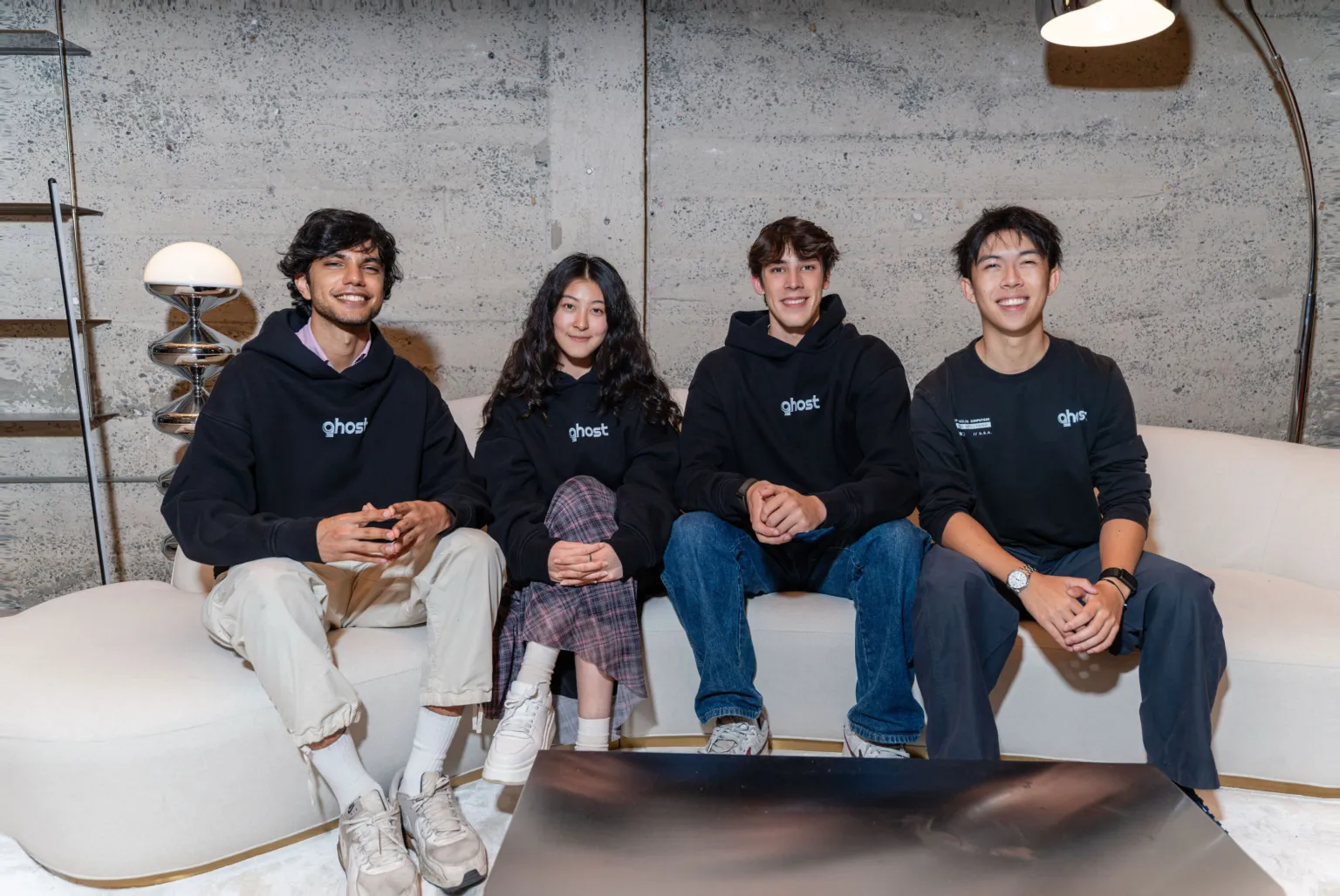
Ghost, led by 19-year-old CEO Zain Javaid, raised $11M in a seed round led by Andreessen Horowitz, with Abstract, Audacious Ventures, SV Angel and Nova also in. The money backs Core, a $3,499 computer with no screen that runs AI assistants at home, so personal data never has to leave the box.
Why This?: Today most people rent their AI by the month from a cloud provider. Ghost is betting that people will pay once for an AI they own, a shift that could open a new category of home hardware for consumers and businesses across the Americas – TechCrunch.
Positive Context:
- Everything runs on the device: the code, the AI models and the user's personal data, which is encrypted so that no cloud provider or third party, including Ghost, can meaningfully access it.
- At $3,499 with no recurring fees, Core costs about as much as 14 years of a $20 monthly AI subscription, and it keeps working even if Ghost shuts down.
Yes, but:
- Ghost has not disclosed its valuation, and the first units only ship in late October, so real demand is still untested.
- An always-on assistant that can reach email, calendars, files, health records and smart-home devices carries high stakes if something goes wrong, which is why Core includes a firewall that flags suspicious agent actions.
- Core has no screen at all: you talk to it through a phone app or by voice, and it keeps working on tasks without waiting for a prompt.
What's inside: Core ships with three pre-installed AI models, and owners can add more from Hugging Face or load their own.
- Qwen-3.8-Next: from Alibaba's Qwen 3.8 family, the general-purpose model for everyday conversation and tasks.
- Qwen-3.8-27B: Alibaba's mid-size model, strong at coding, research and multi-step tasks, and it can read images as well as text. It is small enough to run on consumer hardware.
- Gemma-4-31B: Google's open model built for step-by-step reasoning and for acting as an autonomous agent. It also reads images, video and charts, and writes code.
"The user owns all of it. Everything is stored, run, and processed on the device," said Zain Javaid, Ghost CEO, in The Investor Society.
💰 Venture Capital
Submit a deal for The Daily Dealflow newsletter via DM here on LinkedIn.
Reuse (Chile) – $21M, Series A/B disputed, phone trade-in and refurbishment platform founded by José Tomás Ulloa and Max Sateler. At One Ventures led, joined by Coppel Ventures, Alive, Endeavor Catalyst, Ignia, and Dalus Capital. Early angels cashed out at roughly 4x—secondhand phones, firsthand returns – The Investor Society.
Type One Energy (US) – $200M, Series B, stellarator fusion energy developer using high-field superconducting magnets and advanced manufacturing. Breakthrough Energy Ventures and Clutterbuck Capital led, with Lowercarbon Capital and Siemens Energy Ventures also in, and Christofer Mowry is CEO. The company bundles financing, manufacturing, engineering and operations into one partner-heavy model, a bit like building a power plant and the company that pays for it at once – FinSMEs.
Asaas (Brazil) – $55.6M, receivables credit fund (FIDC), small-business payments and finance platform. Institutional investors put in $51.9M through senior shares, Asaas added $3.7M in subordinated shares and Kanastra manages the fund. Brothers Piero and Diego Contezini founded the company in 2010, and it now has 300,000 monthly active customers and advanced about $260M in receivables this year, with FIDCs funding roughly 80% of that – LatamList.
Multiply Labs (US) – $75M, Series B, robotic pods that automate manufacturing of cell and gene therapies. NantWorks led, with AstraZeneca Ventures, Lux Capital, Founders Fund and Casdin Capital among the investors, and Fred Parietti is founder and CEO. AstraZeneca and Legend Biotech are already paying customers, which is rare proof of demand at this stage – FinSMEs.
🏛️ Private Equity
Option Care Health (US) – $5.8B, take-private buyout in which CD&R holds about 51% and McKesson invests about $1.4B for about 49%, home and alternate-site infusion services provider. The $32.05 per share price is a 37% premium and 11.02x EBITDA, CEO John Rademacher stays on, and closing is expected in the first half of 2027. The company runs a national network of pharmacies and more than 5,000 clinicians delivering IV drugs outside hospitals – CityBiz.
Niobrara (US) – $1.5B+, debut PE fund and co-investment vehicles targeting B2B technology buyouts and minority stakes. Founded by Chip Schorr, Mike Pompeo, and Todd Bradley; LPs undisclosed. The $1.1B+ core fund beat its target by 50%—diplomacy meets dealmaking – The Investor Society
Sumatec (Colombia) – undisclosed value, majority stake acquired by Sodimac, the Chilean home-improvement retailer linked to Falabella, strategic deal for an industrial supplies distributor. Sodimac buys shares from Grupotec and injects fresh capital, while Grupotec keeps a minority stake to keep the founding family involved. Sumatec runs 14 stores in 11 Colombian cities and carries more than 60,000 products, and it will keep its own brand – Diario Financiero.
Warner Bros. Discovery (US) – about $110B, completed merger with Paramount Skydance, creating Skydance with David Ellison as CEO and Ynon Kreiz as co-CEO. Warner shareholders received about $31 per share, the combined company starts with nearly $80B in debt and at least $6B in targeted synergies over three years, and it trades on the NYSE under SKYD after Warner left Nasdaq. Between them the brands include Warner Bros., Paramount Pictures, HBO, CNN and CBS – Metrópoles.
📈 Public & Capital Markets
Constellation Energy (US, Nasdaq: CEG) – power purchase agreement, nuclear utility. Shares rose about 12% after Google agreed to a 20-year deal adding 890 MW of nuclear capacity to the PJM grid through uprates, with Constellation investing more than $4.3B. Vistra gained about 8% and Talen Energy about 7% in sympathy – 24/7 Wall St..
Marvell Technology (US, Nasdaq: MRVL) – investor day, AI semiconductors. Shares gained 7.14% after the company raised its long-term revenue targets and gave bullish AI infrastructure forecasts – TheStreet.
Seagate Technology (US, Nasdaq: STX) – stock move, data storage hardware. Shares fell 7.98% and Western Digital dropped 6.92% on concern that Toshiba could expand hard-disk capacity – TheStreet.
📅 ICYMI
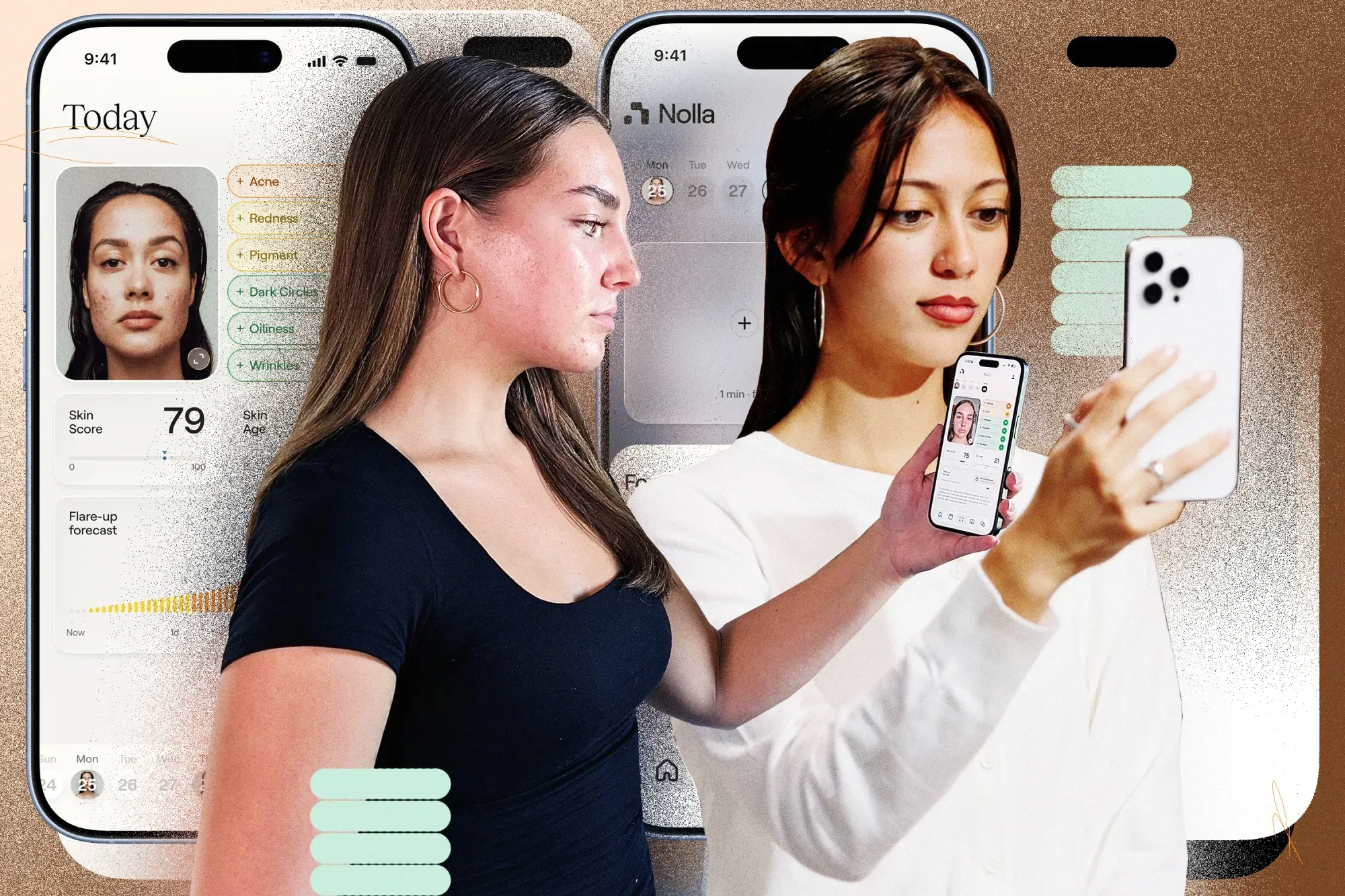
Utah became the first state to allow AI to replace doctors and prescribe medicine without human oversight. Luckily, startup Nolla Health isn’t conducting open-heart surgery — it uses AI-powered software to analyze patients’ skin, diagnose acne problems, and recommend a medication from a list of eight approved treatments. The state will allow Nolla’s AI-generated prescriptions to be submitted directly to pharmacies, bypassing laws that require licensed humans to prescribe meds.
Even Warren Buffett falls down YouTube rabbit holes. Here’s what the Oracle of Omaha spends his evenings watching.
What went wrong with Oura? The company shelved its IPO after investors balked at a $15 billion price tag for a one-hit wonder.
See you tomorrow,
Jose Kont
The human behind The Investor Society.