
Galderma Buys ZO Skin Health for US$1.5B to Deepen Its Reach Into U.S. Med Spas
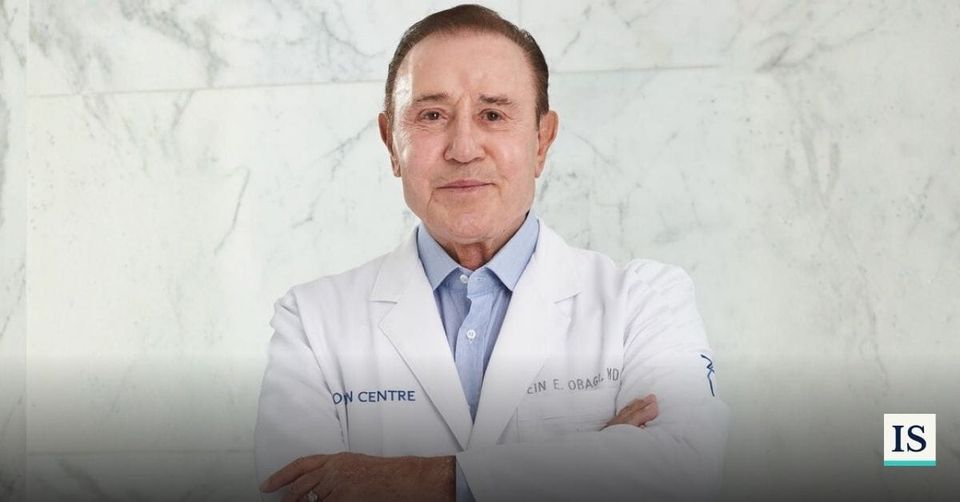
Galderma, the Swiss dermatology company behind Cetaphil and Restylane, agreed on October 14, 2026 to buy ZO Skin Health from Blackstone and the founding Obagi family for an enterprise value of US$1.5 billion in cash. Galderma will fund the purchase with existing cash and bank financing, and expects the deal to close in the fourth quarter of 2026 or early 2027, pending regulatory approvals. CEO Flemming Ørnskov said the acquisition is "another important step towards building the world's most innovative dermatology portfolio." Lazard and J.P. Morgan advised Galderma; Raymond James and Citi advised ZO and Blackstone.
ZO, based in Irvine, California, was founded in 2007 by dermatologist Zein Obagi, who serves as medical director. It sells more than 40 products, including cleansers, serums and exfoliators, through about 16,500 physician, medical spa and online accounts in more than 40 countries. ZO posted about US$330 million in net sales in the 12 months to June 2026. Blackstone bought a majority stake in 2020 through its Tactical Opportunities fund and says ZO more than doubled its revenue under its ownership. Reuters first reported the agreement on October 13.
Market Context
The price works out to roughly 4.5 times ZO's annual sales. In September, Reuters reported that Blackstone was exploring a sale that could value ZO at around US$2 billion, so the final figure came in about 25% below early expectations. Galderma said the deal should be neutral to core earnings per share in the first full year, as it plans to spend more on sales and marketing before growth picks up in year two.
The purchase follows a pattern. Large beauty and dermatology groups are paying up for "medical-grade" brands sold through doctors and med spas, where demand tends to be steadier than in drugstore skincare. Galderma bought Alastin, another physician-dispensed brand, in 2021, and has been leaning into the U.S.: it opened a U.S. and Latin America headquarters in Miami in August and plans to invest more than US$650 million in U.S. manufacturing through 2030. Galderma went public in Zurich in 2024, and L'Oréal owns 20% of it.
What Stands Out
"The US will probably, at some point in the not too distant future, be the majority of our sales." Flemming Ørnskov, CEO, Galderma
Regional Relevance
For the United States, the deal confirms that the med spa channel has become a major battleground for global skincare companies. ZO makes its products in the U.S., and Galderma plans to add commercial investment after closing, which supports American manufacturing and sales jobs. For Blackstone, it marks a cash exit from a 2020 consumer health bet at a time when private equity firms are under pressure to return capital to their investors.
For Switzerland, Galderma is consolidating its position as one of Europe's largest pure-play dermatology companies, but its center of gravity keeps shifting toward the U.S. The new Miami headquarters, which also covers Latin America, gives the company a base to take brands like ZO into markets such as Mexico, Brazil and Colombia, where aesthetic treatments are a fast-growing consumer category.
The Other Side
Did Galderma get a bargain, or did ZO's growth stall? The final price fell well short of the US$2 billion floated in September. Neither company has explained the gap, and Galderma's plan to boost spending before growth returns in year two suggests ZO's sales may have flattened recently.
Can a large company keep a doctor-led brand special? ZO's appeal rests on its ties to physicians and on its founder's medical reputation. Integrating it into a large portfolio that also sells drugstore products like Cetaphil could blur that positioning. The announcements did not name who will run ZO after closing.
How exposed is the med spa boom? Med spa spending depends on consumers' discretionary budgets. A slowdown in U.S. household spending could hit this channel harder than prescription dermatology, which would test Galderma's bet on the U.S.