
Outer Bio, Backed by Lady Gaga, Raises $23 Million for AI Platform That Keeps Human Skin Alive for Weeks
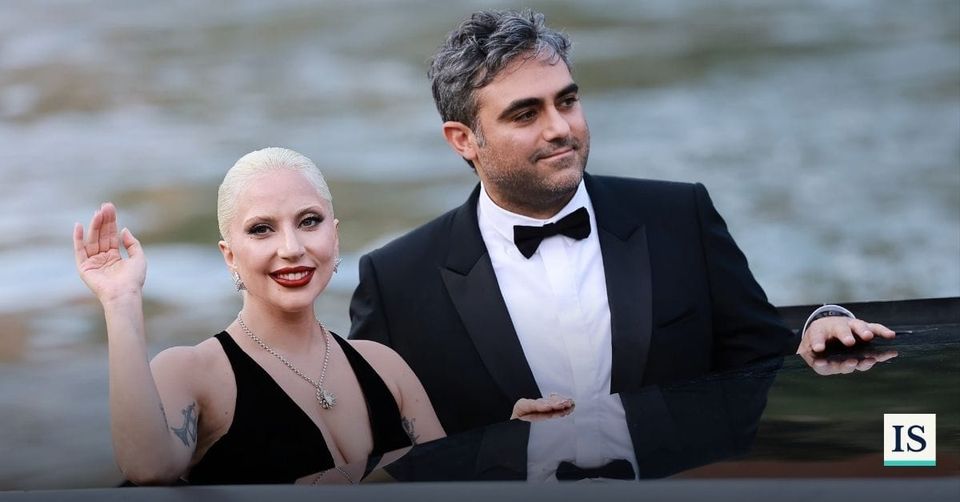
Outer Bio, a Cambridge, Massachusetts-based biotech startup that has operated in stealth since 2020, publicly confirmed on August 21 that musician Stefani Germanotta — known as Lady Gaga — sits on its board of directors and has backed the company financially. The reveal came via an Instagram post from Germanotta introducing the company and its core technology, Yuna, a platform that keeps donated human skin alive outside the body for roughly four weeks, far longer than the several days typical of the industry. The company was co-founded by CEO Michael Polansky, Germanotta's fiancé, alongside Chief Scientist Kyung-Jin Jang, Chief Technology Officer Chris Hinojosa, and Chief Business Officer Stanley King, a team with prior experience building commercial organ-on-chip technology.
Outer Bio has raised approximately $23 million to date from investors including Wing Ventures, which led the round, along with Initialized Capital and Hawktail, a venture firm run by Polansky himself. The 19-person company uses artificial intelligence to screen large libraries of compounds — reportedly up to 750 million annually — against living skin tissue sourced from cosmetic-surgery donors, aiming to accelerate discovery for skincare, dermatology, and eventually therapeutic applications. Outer Bio currently generates revenue through research collaborations with pharmaceutical and cosmetics companies rather than direct product sales, and the company says it is now moving from six years of quiet development into a more public phase of operation.
Market Context
Outer Bio's emergence lands amid renewed investor appetite for AI-driven biotech platforms that promise to compress traditional drug- and product-discovery timelines. According to Wing Ventures, the global skin health market exceeds $100 billion annually, and chronic skin inflammation affects an estimated 20% to 25% of the population — a large addressable market that has drawn comparisons to other tissue-modeling and organ-on-chip companies, a category Outer Bio's founding team helped pioneer commercially before starting the company.
The deal also fits a broader pattern of celebrities and high-profile individuals moving from brand endorsements into direct venture backing and board roles at science-driven startups, following figures in entertainment and sports who have taken equity stakes or board seats in health, wellness, and biotech ventures rather than simply lending their name to marketing campaigns. Germanotta's involvement adds a distribution and brand dimension uncommon for an early-stage biotech, particularly given her existing beauty venture, Haus Labs, which collaborates with Outer Bio on testing.
Signal
"Trying to do this in private is hard... We kind of want to start working in public now." — Michael Polansky, CEO and co-founder, Outer Bio
Regional Relevance
For the United States, Outer Bio's reveal underscores how AI-enabled biotech continues to attract capital even in a selective venture market, where investors are increasingly favoring platforms with near-term commercial revenue — in this case, research partnerships — over pure long-horizon science bets. The company's use of living human tissue paired with machine learning also signals a maturing category of "wet AI" startups that pair physical biological experimentation with predictive modeling, a hybrid approach gaining traction across drug discovery and cosmetics alike.
For the broader biotech and venture landscape, the deal highlights Massachusetts' continued pull as a hub for tissue-engineering and life-sciences talent, reinforced by a founding team with prior organ-on-chip experience. It also raises a governance question worth watching: Hawktail, one of Outer Bio's investors, is run by CEO Polansky himself, an arrangement common in founder-led venture ecosystems but one that outside observers may scrutinize as the company raises larger, more institutional rounds.
The Other Side
Does celebrity involvement signal real scientific merit, or mainly generate publicity? Outer Bio's technical claims — a four-week tissue-viability window and a rapidly improving AI discovery loop — have been corroborated by its lead investor and independent tech press, suggesting the science stands on its own regardless of who sits on the board; still, the timing and manner of the reveal, via an Instagram post rather than a company announcement, indicates the startup is consciously leveraging Germanotta's visibility to build public awareness ahead of a broader commercial push.
How risky is an early-stage biotech platform still generating revenue only through partnerships rather than products? Outer Bio has yet to bring a therapeutic or consumer product to market, and its current revenue model — collaborative research deals — is common for platform biotechs at this stage but leaves the company dependent on continued partner interest and future funding rounds to reach commercialization of its active programs.
Does founder-linked investment through Hawktail raise conflict-of-interest questions as the company scales? Having the CEO's own venture firm as a backer is not unusual in early rounds, but as Outer Bio seeks larger, more institutional capital, investors and observers will likely look for greater independence in board composition and funding sources to validate the company's governance alongside its science.
Sources & Transparency
- Lady Gaga's secret biotech startup just raised $23M: What we know about Outer Bio
- Michael Polansky is training an AI model on skin that's still alive
- Outer Bio exits stealth with $23M and Yuna, a platform keeping human skin alive for four weeks
- Lady Gaga AI Biotech Startup Keeps Human Skin Alive for 4 Weeks